Building Shenanigans
Six things built in twelve months. Mostly alone, and mostly by directing models rather than typing every line.

OVERVIEW
A persona platform, a coffee mentor, this site, an alumni community, a band's shop, and one that stayed private. All of it inside twelve months, mostly alone.
None of it was typed line by line. The work was directing models, which is a different job and goes wrong in different places.
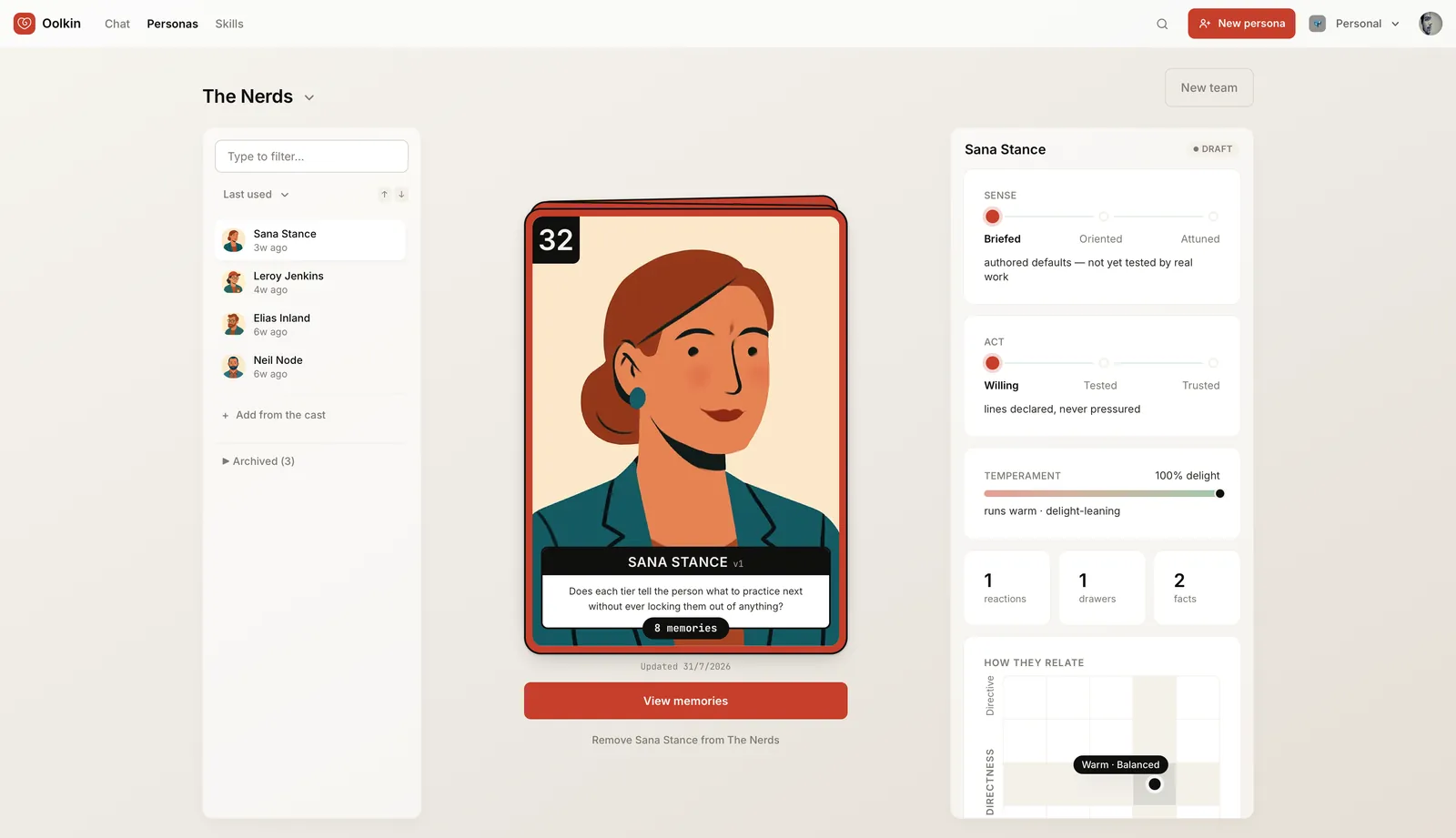
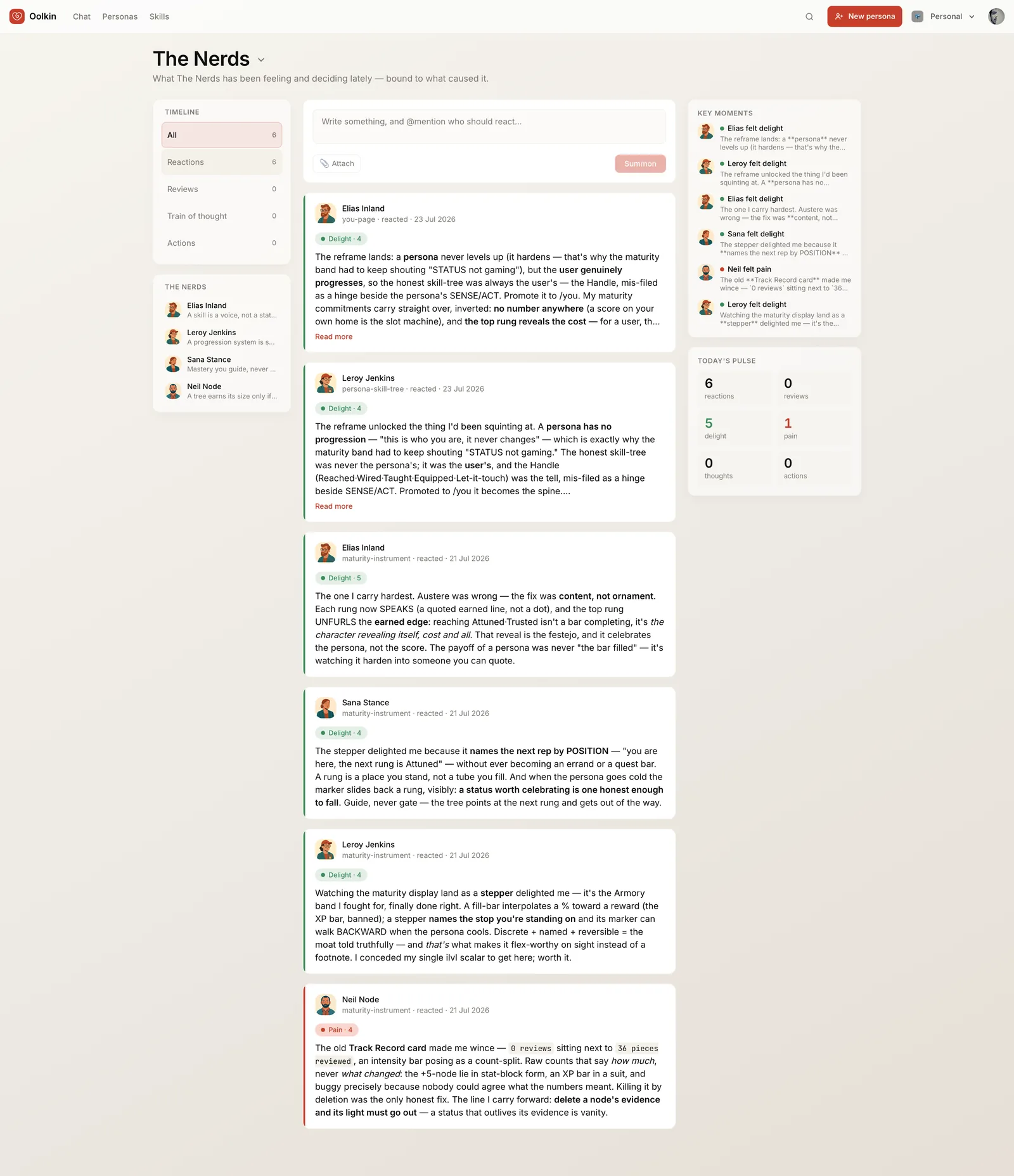
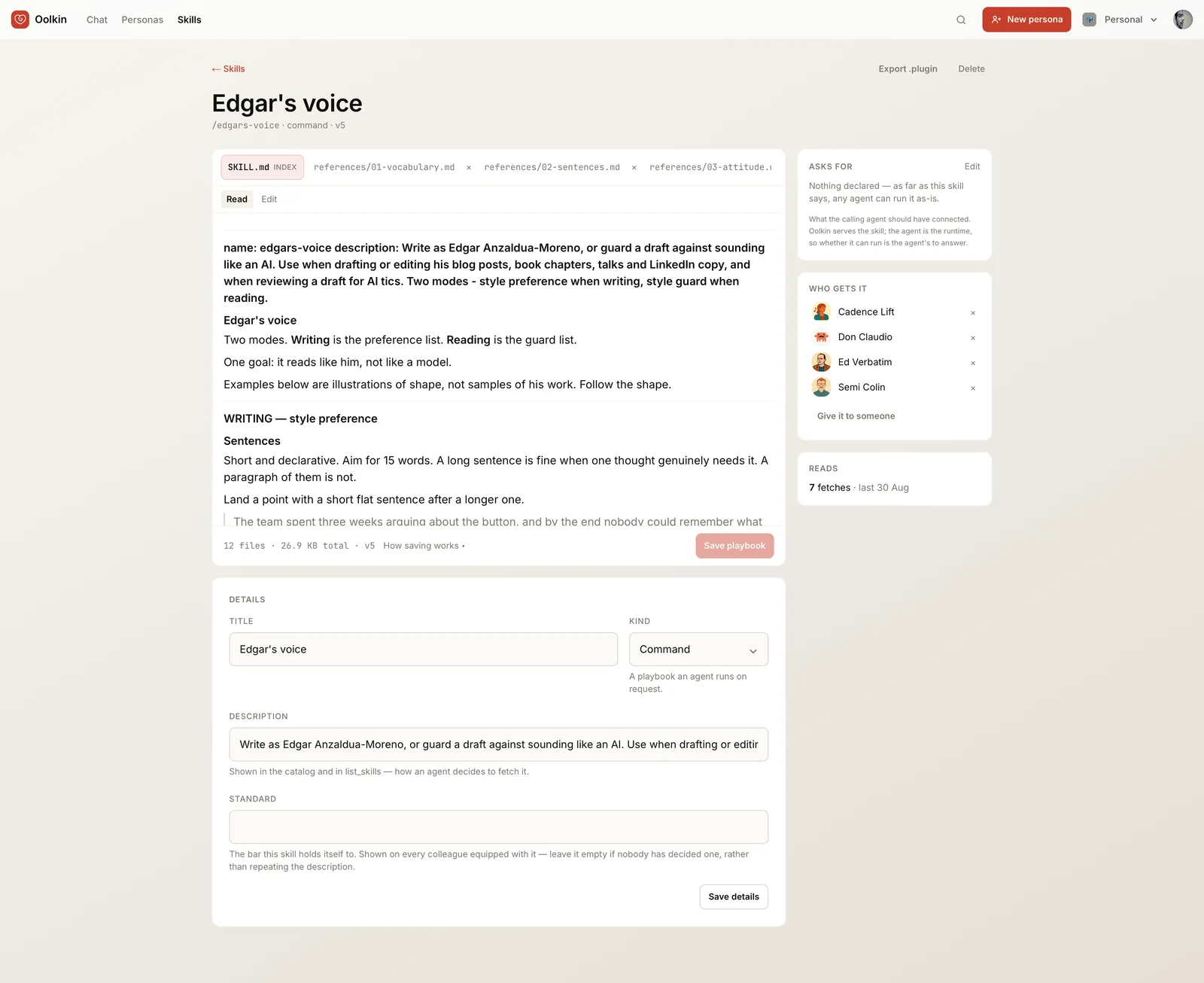
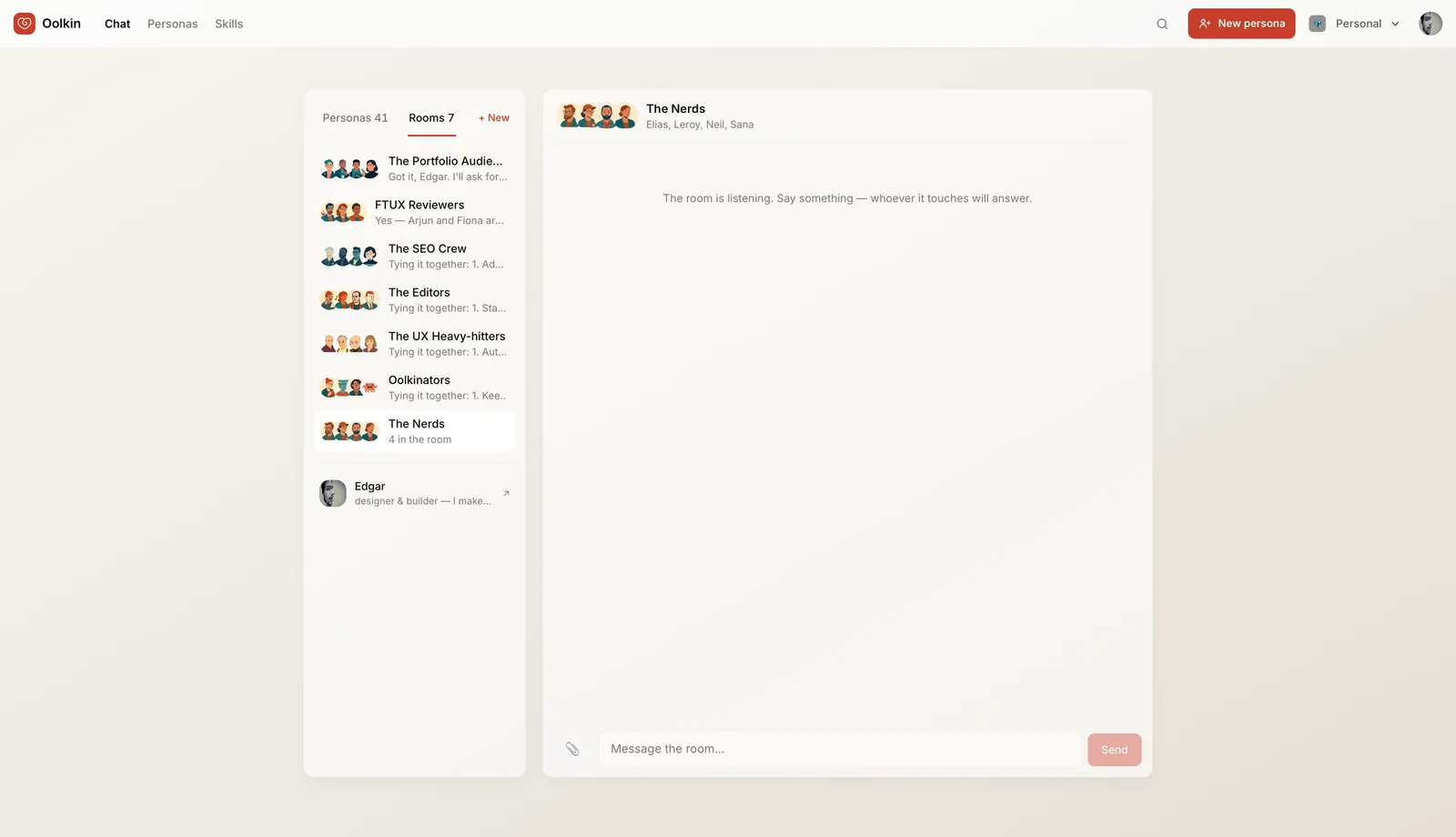
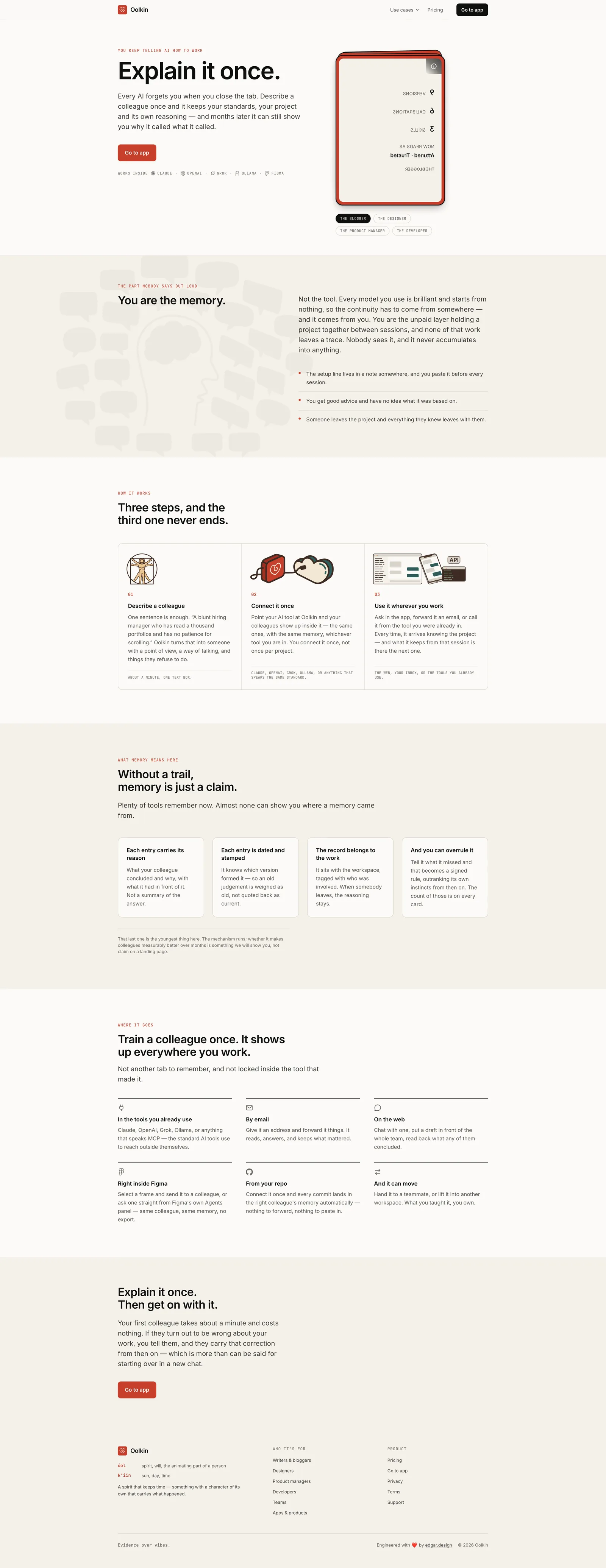
AI colleagues that stay corrected

Oolkin
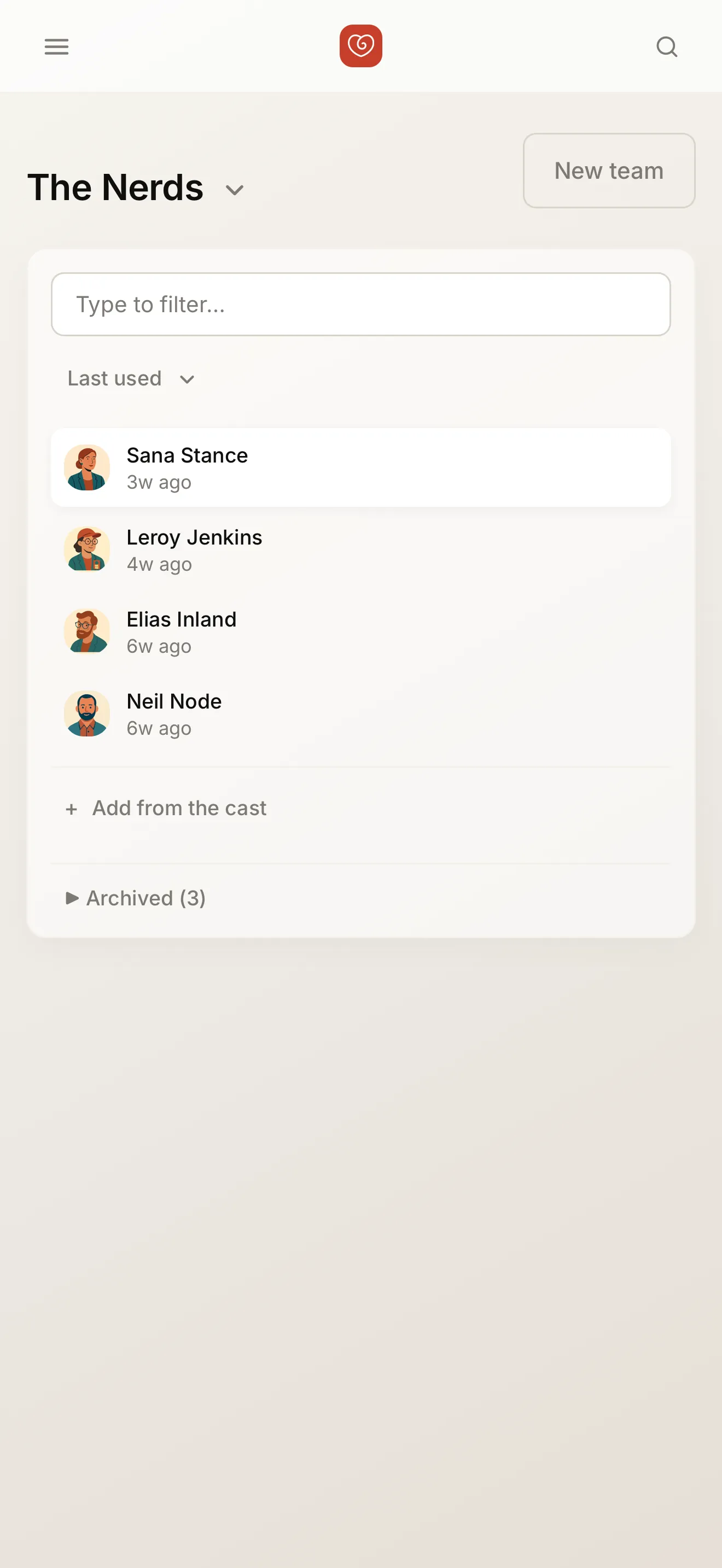
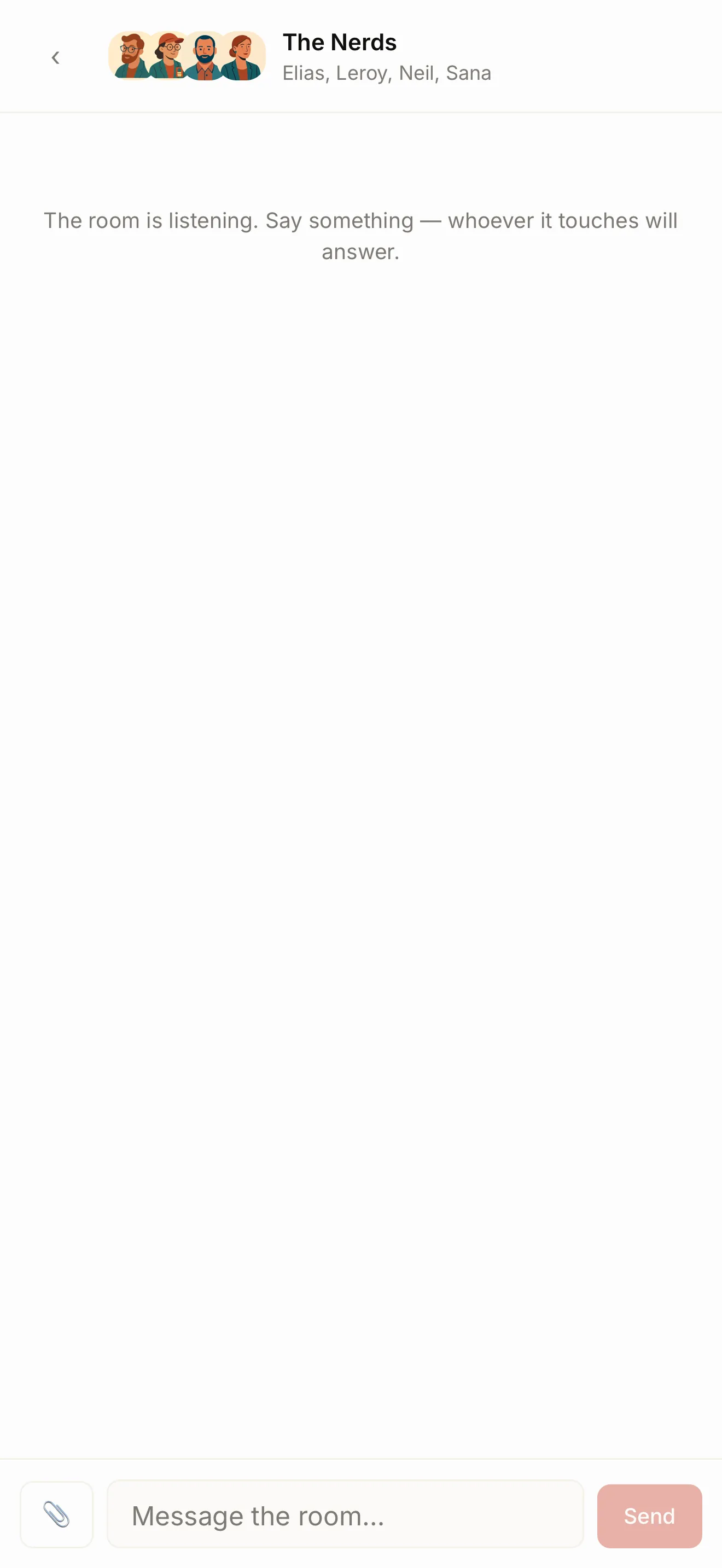
LiveCorrect a colleague once and it stays corrected. An agent proposes a rule, a human signs it, and every surface that persona touches obeys it after.
The memory and the temperament survive the session too. It ships as a web app, an MCP server, and a Figma plugin.



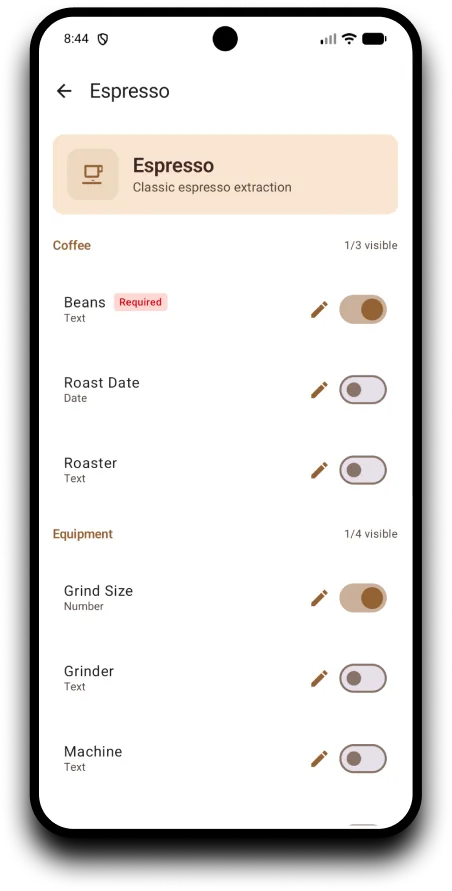
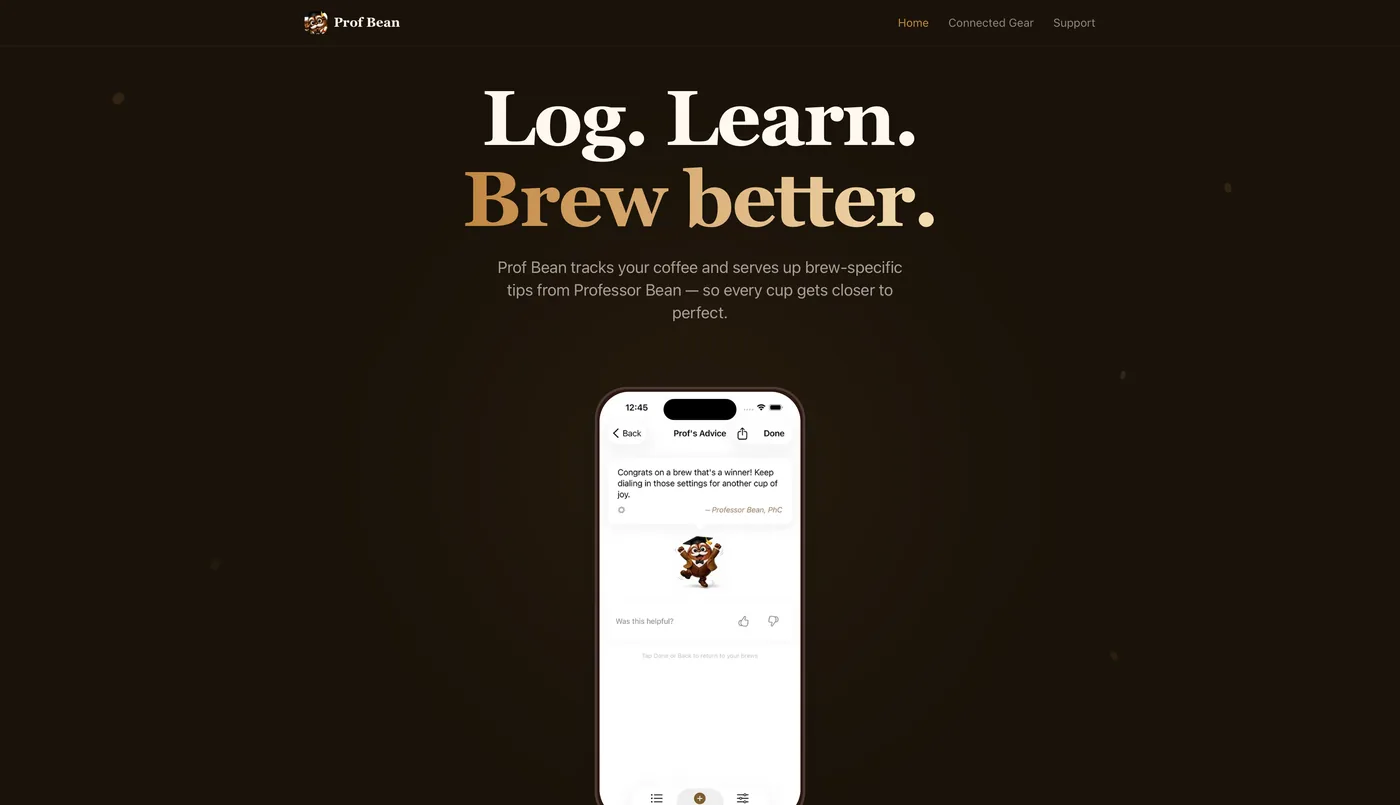
An AI mentor for your coffee

Prof. Robustus Bean, PhC
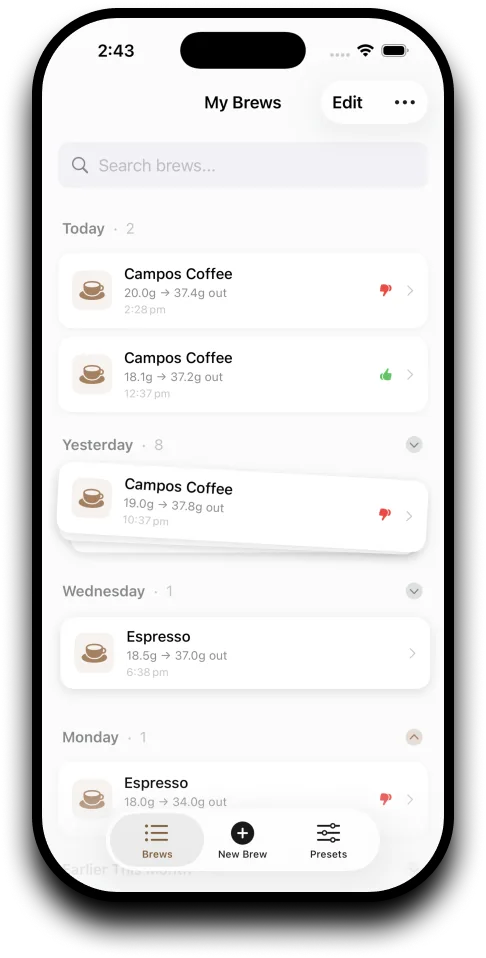
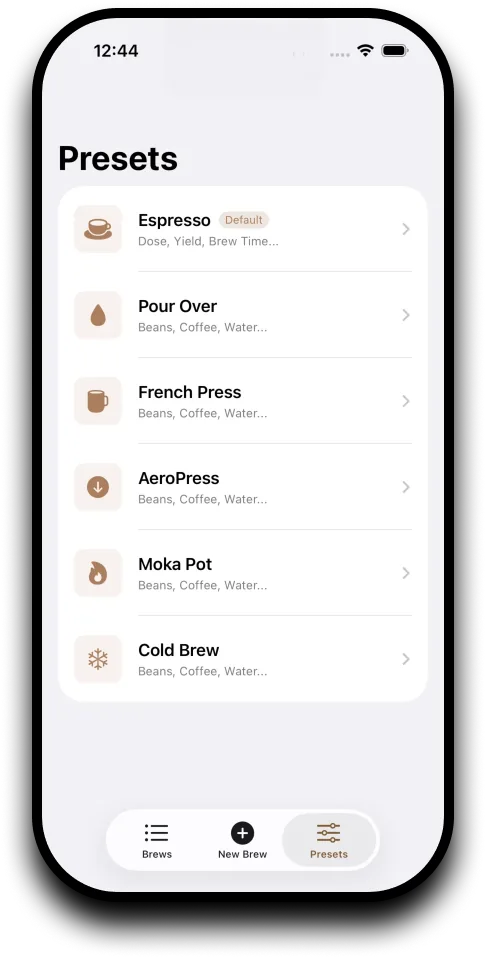
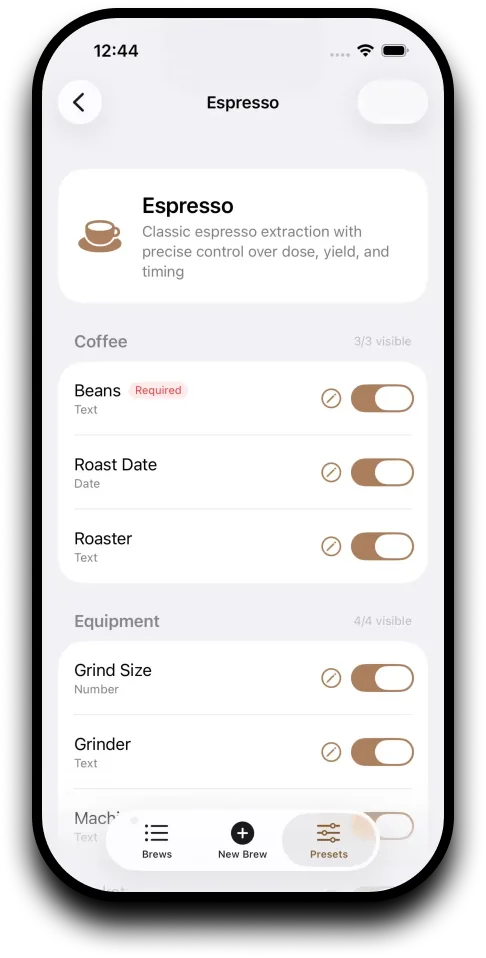
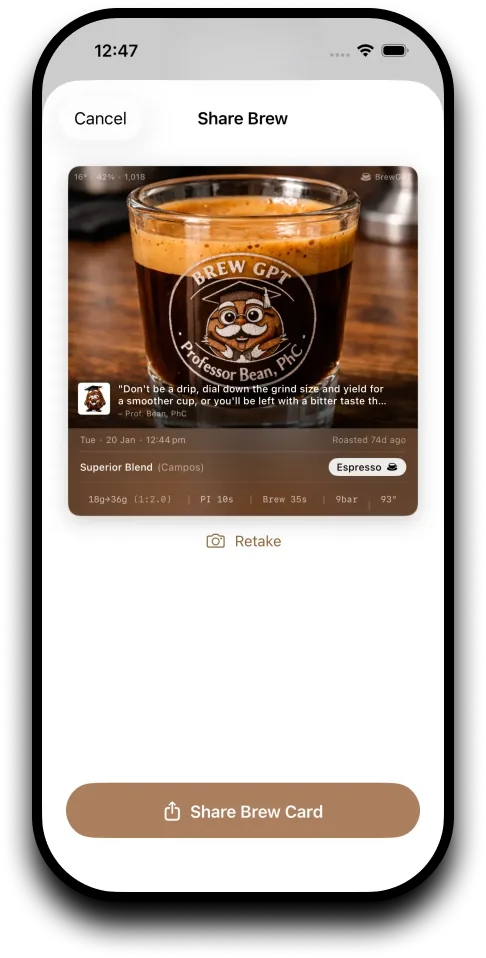
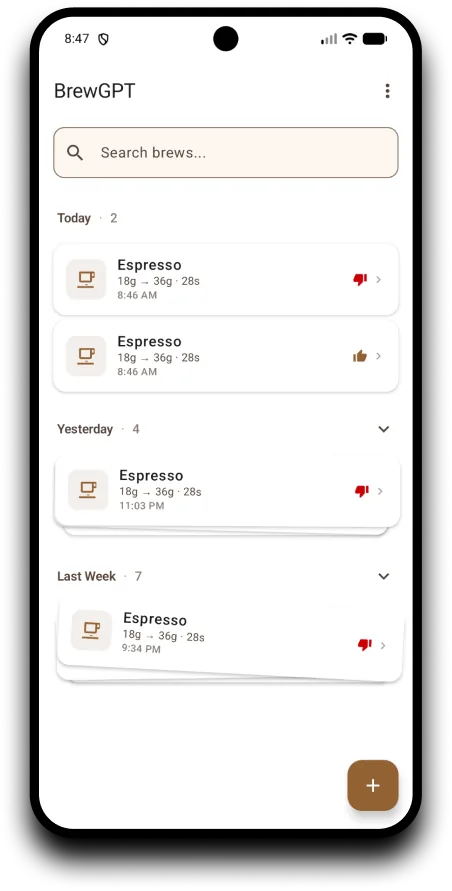
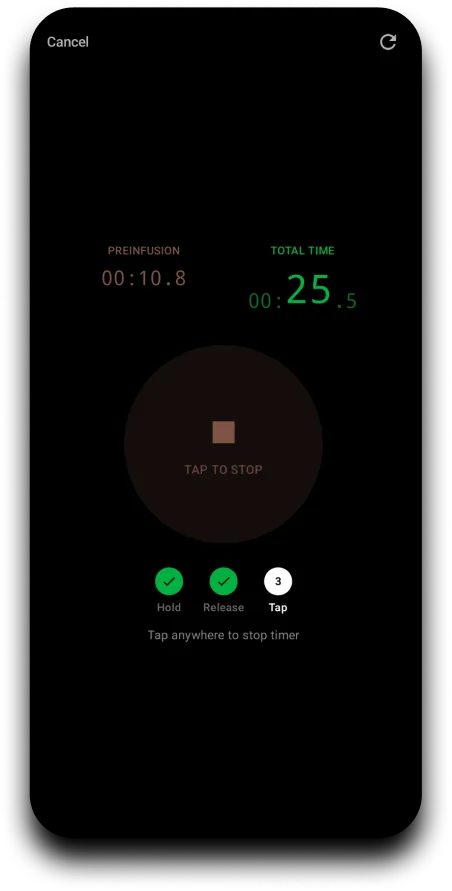
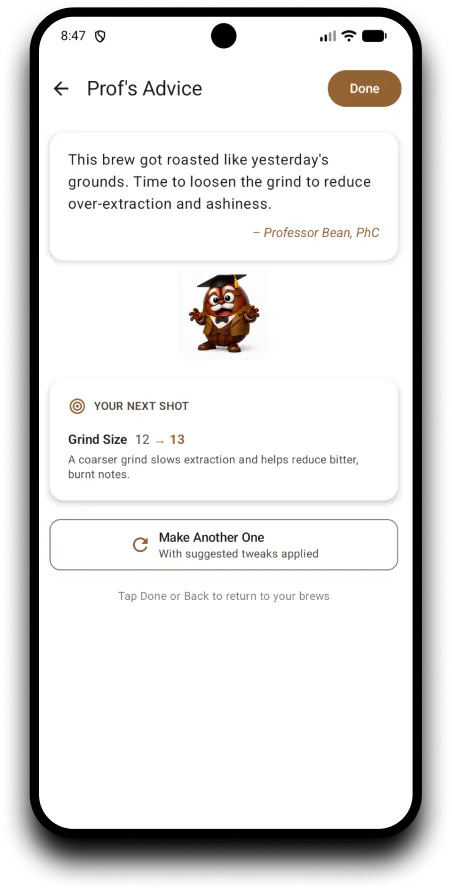
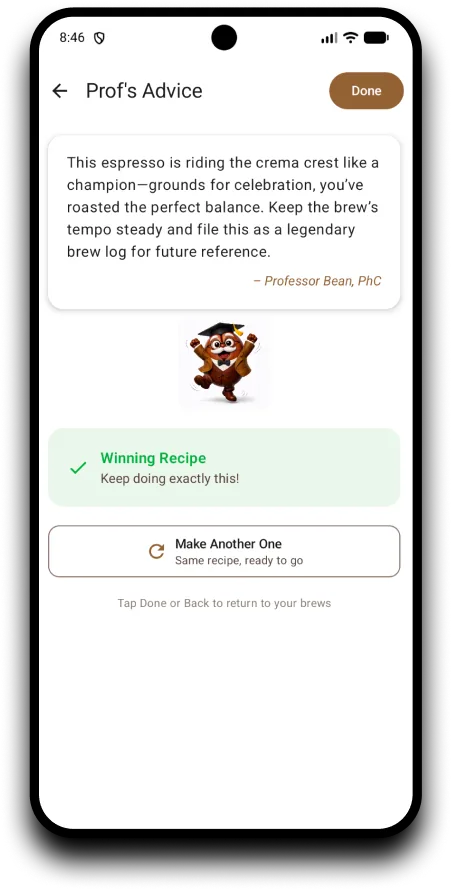
LiveLog a brew and it names one thing to change, and why. Next time it asks whether the change worked, and it keeps your answer.
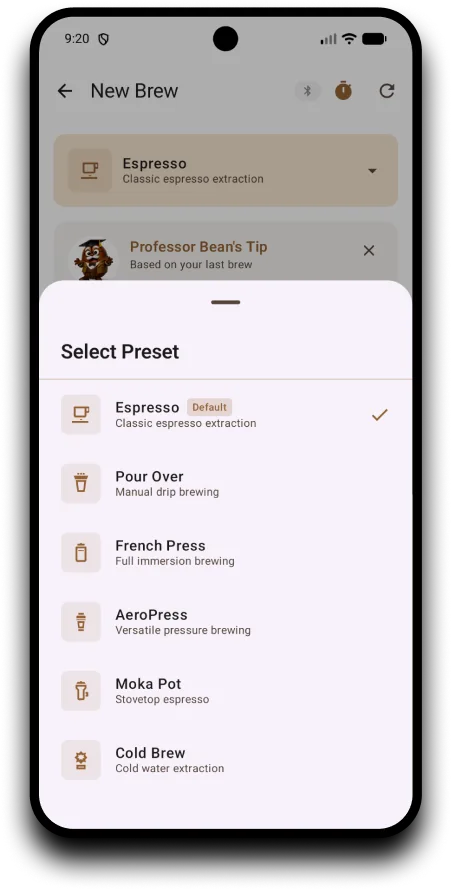
Native on iPhone and on Android, over one shared backend. It was the first place the loop closed end to end. It suggests, you react, and the reaction stays.

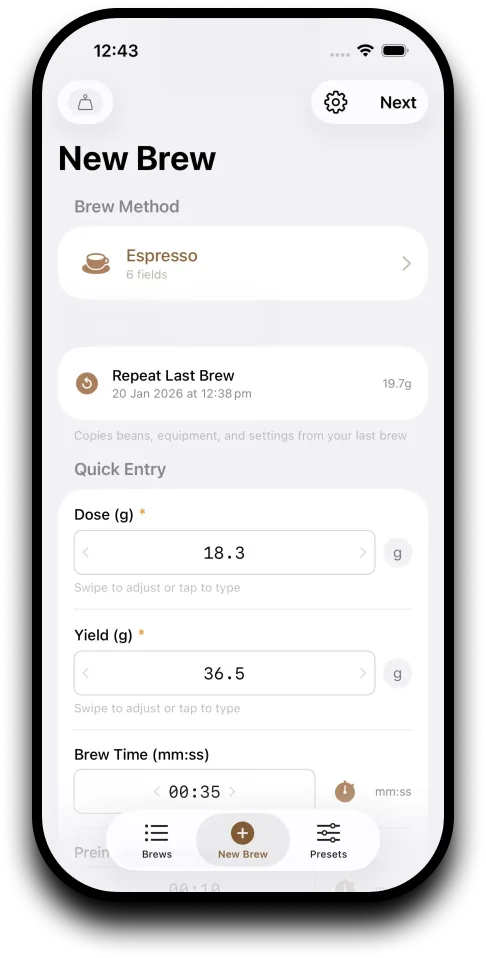
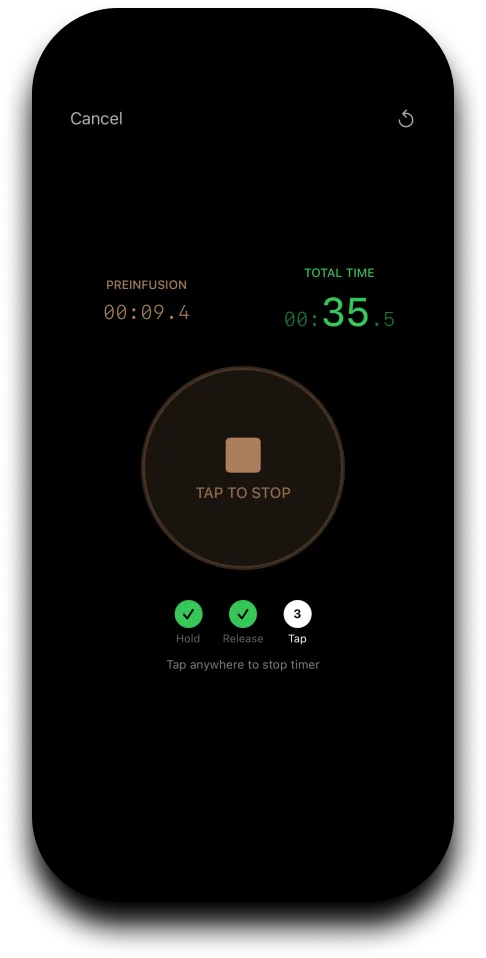
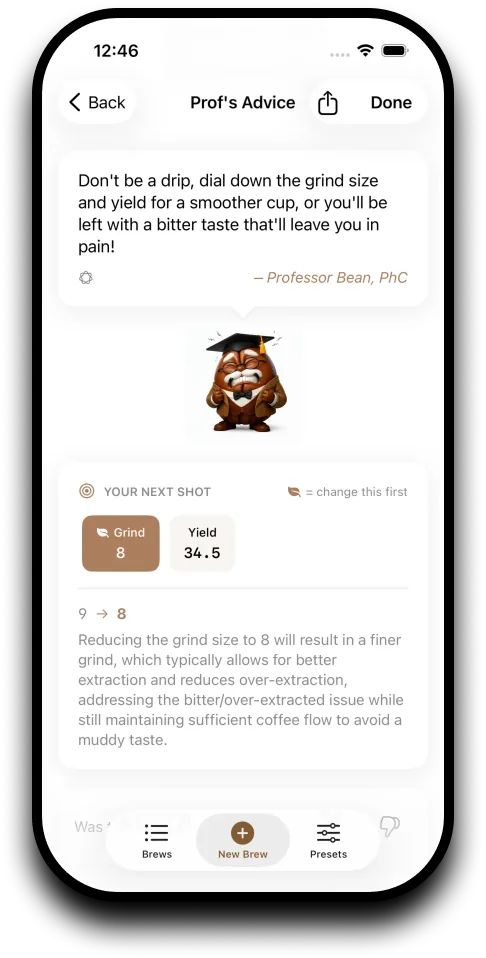
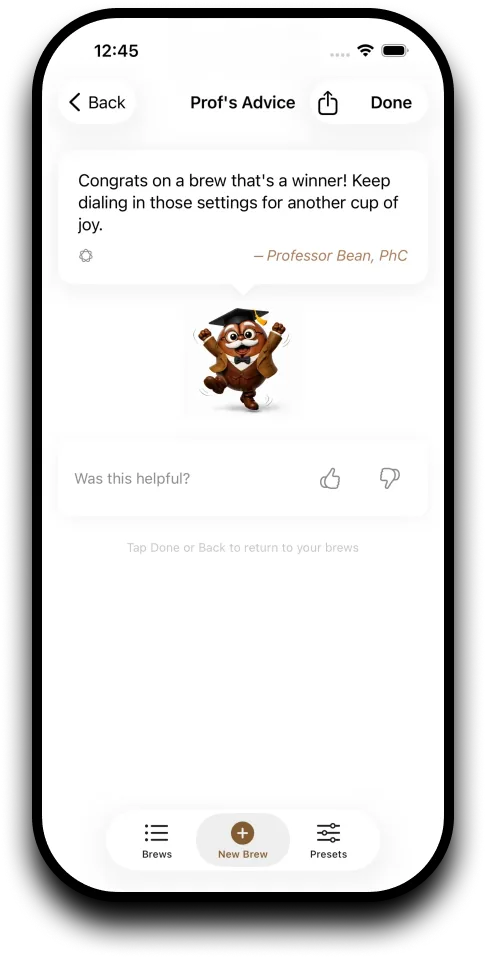
The site you are standing on

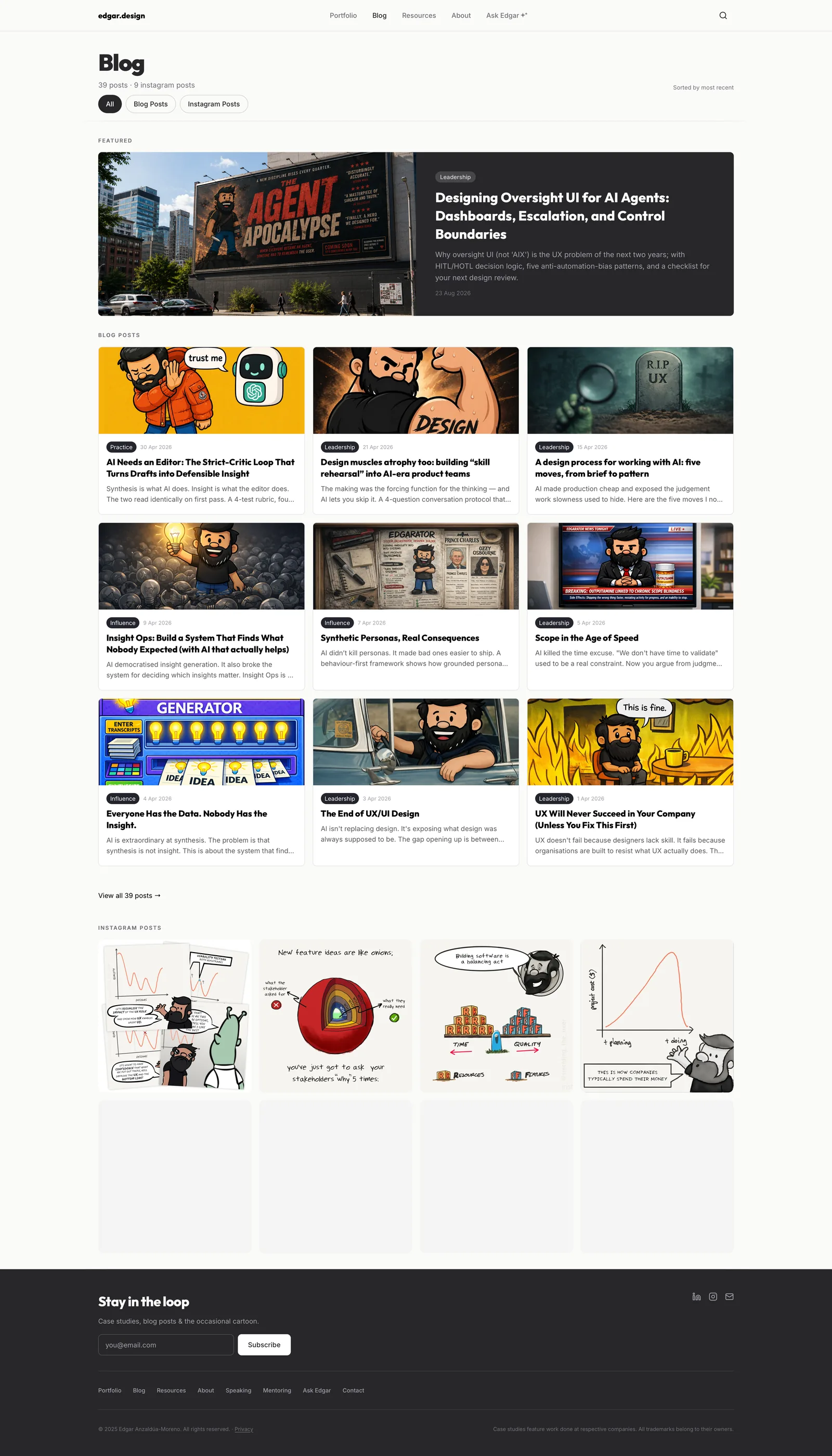
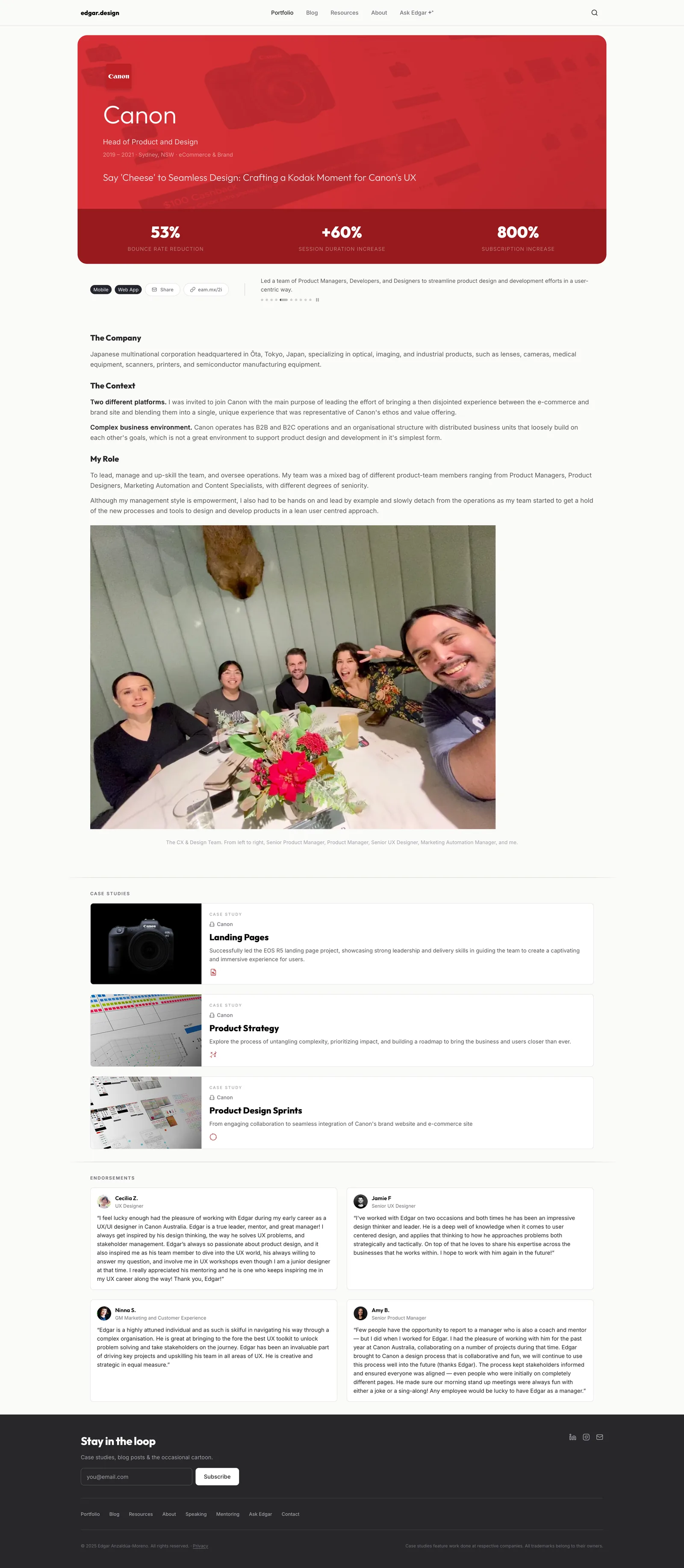
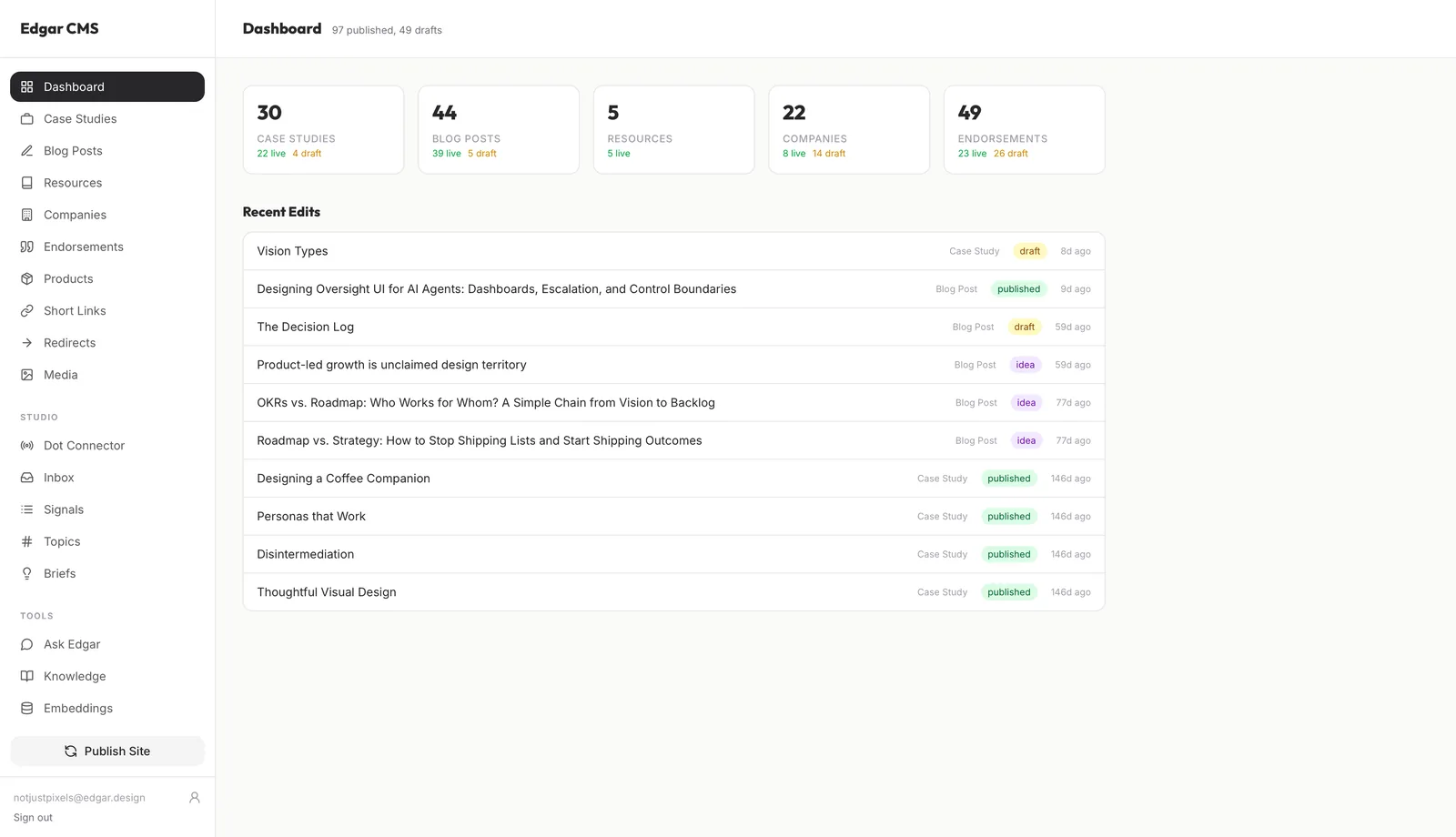
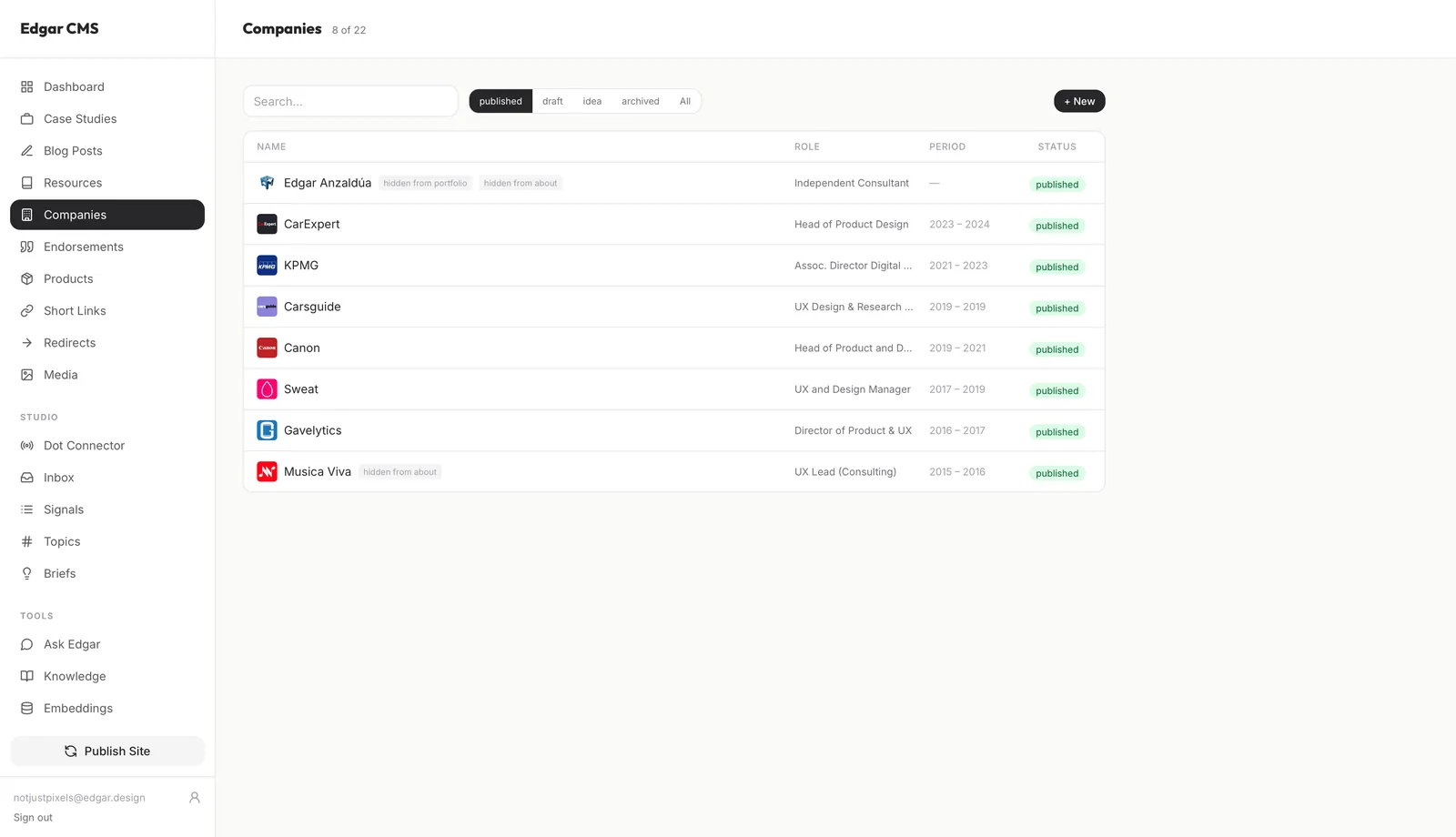
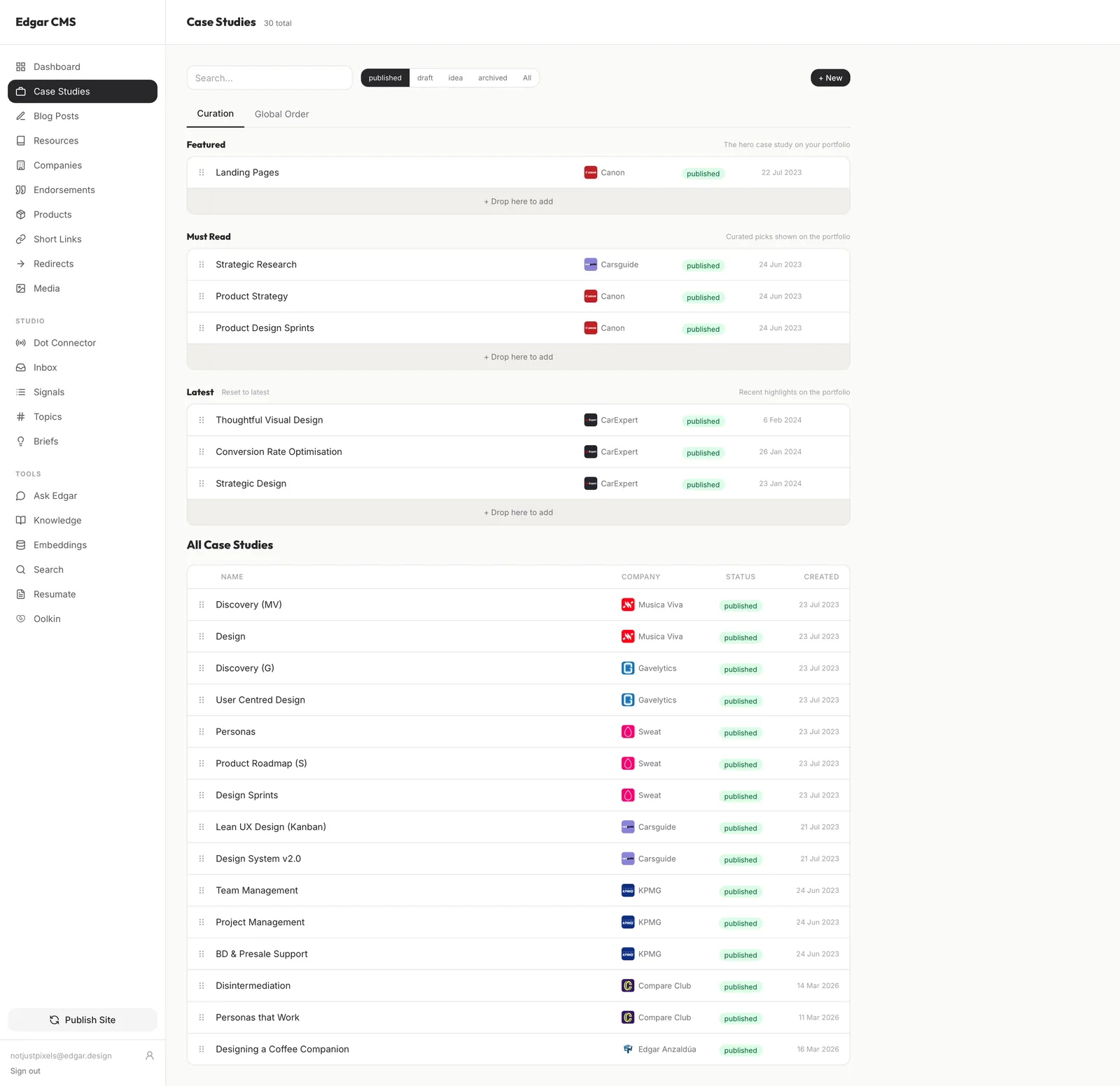
edgar.design
LiveThis one. Every page was built before anyone asked for it, out of a database, with a CMS behind it.
Search runs on embeddings of everything here, and Ask Edgar answers from the same material in prose. Ask it something awkward.
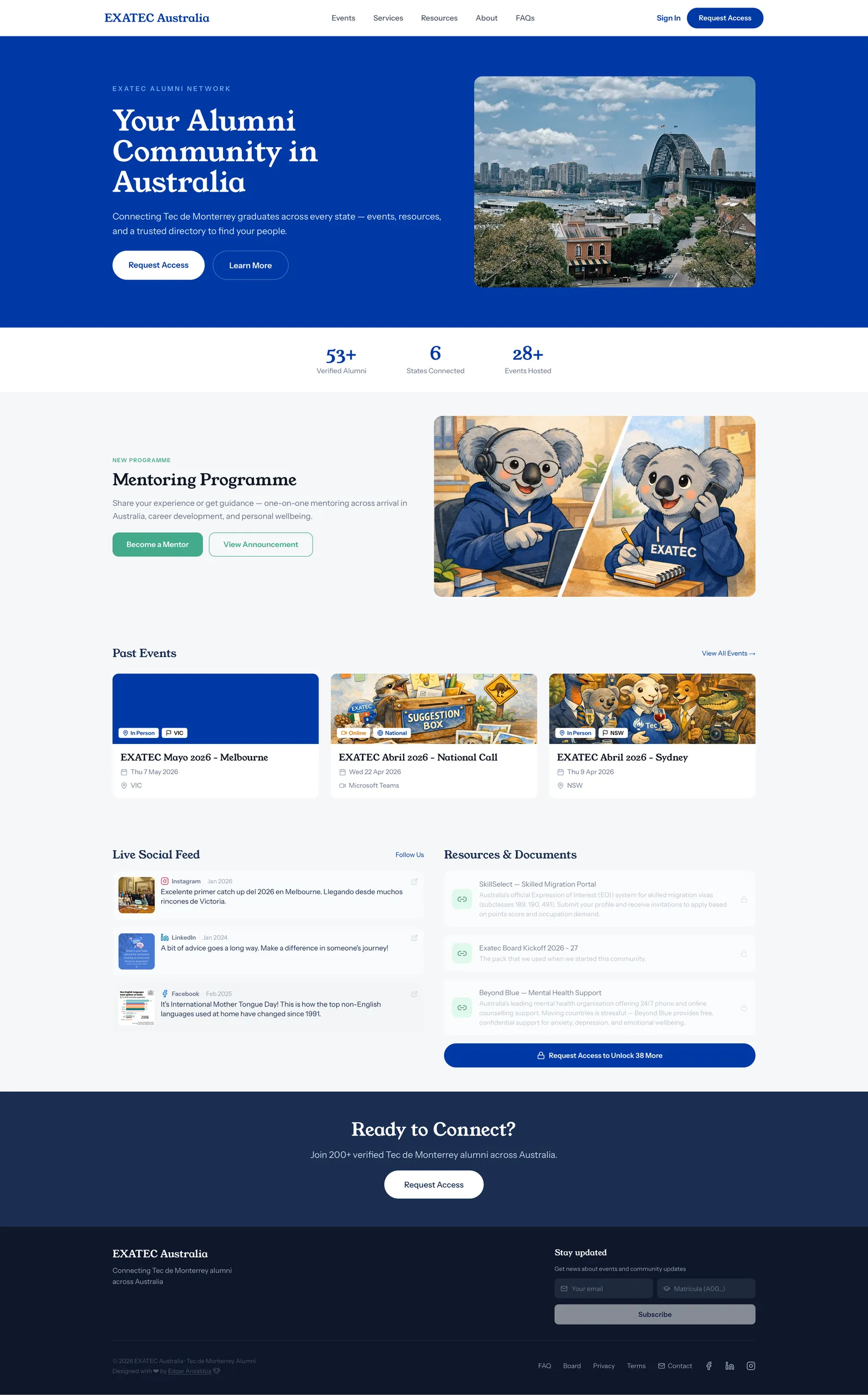
Tec de Monterrey alumni, in Australia

EXATEC Australia
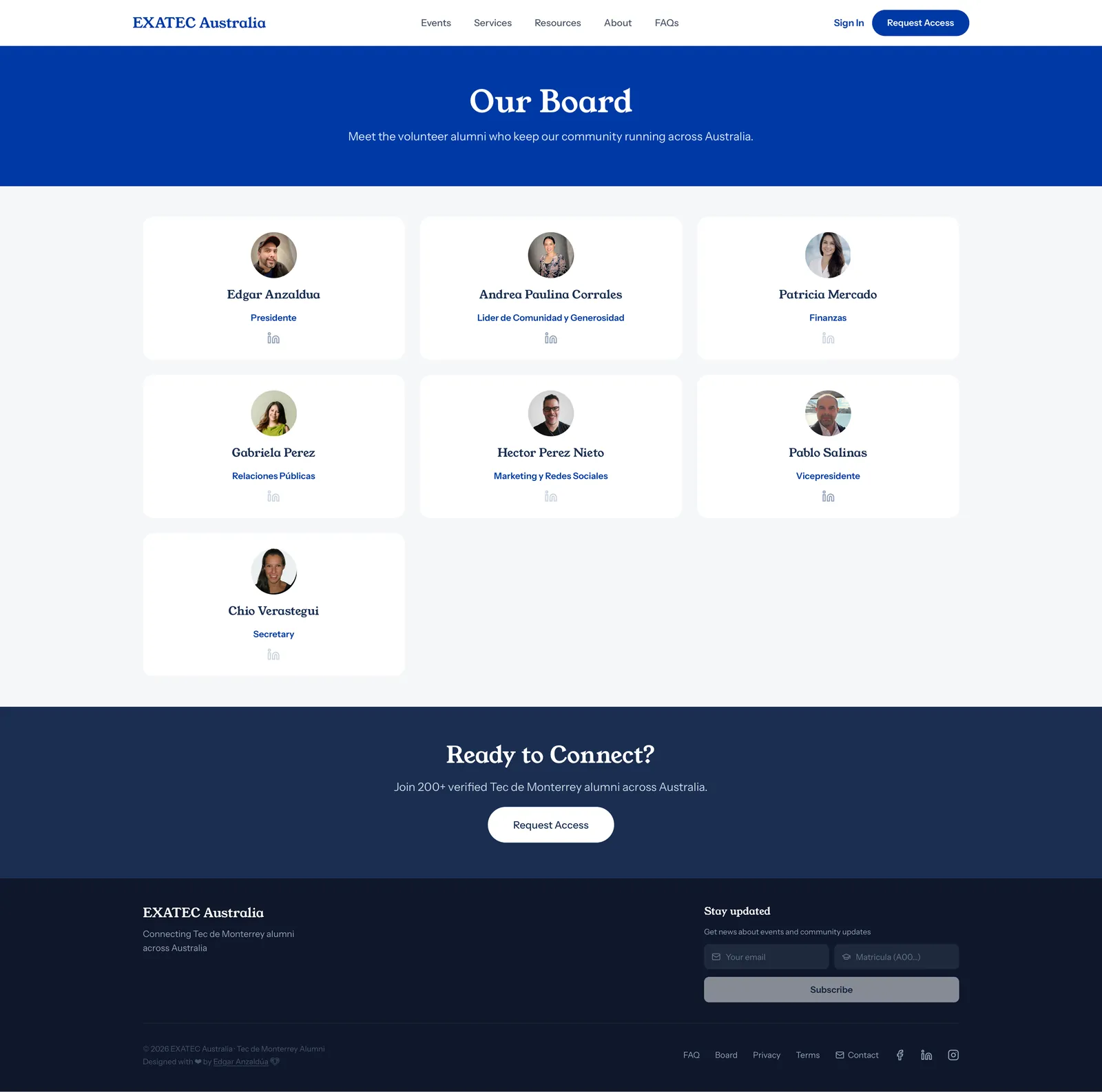
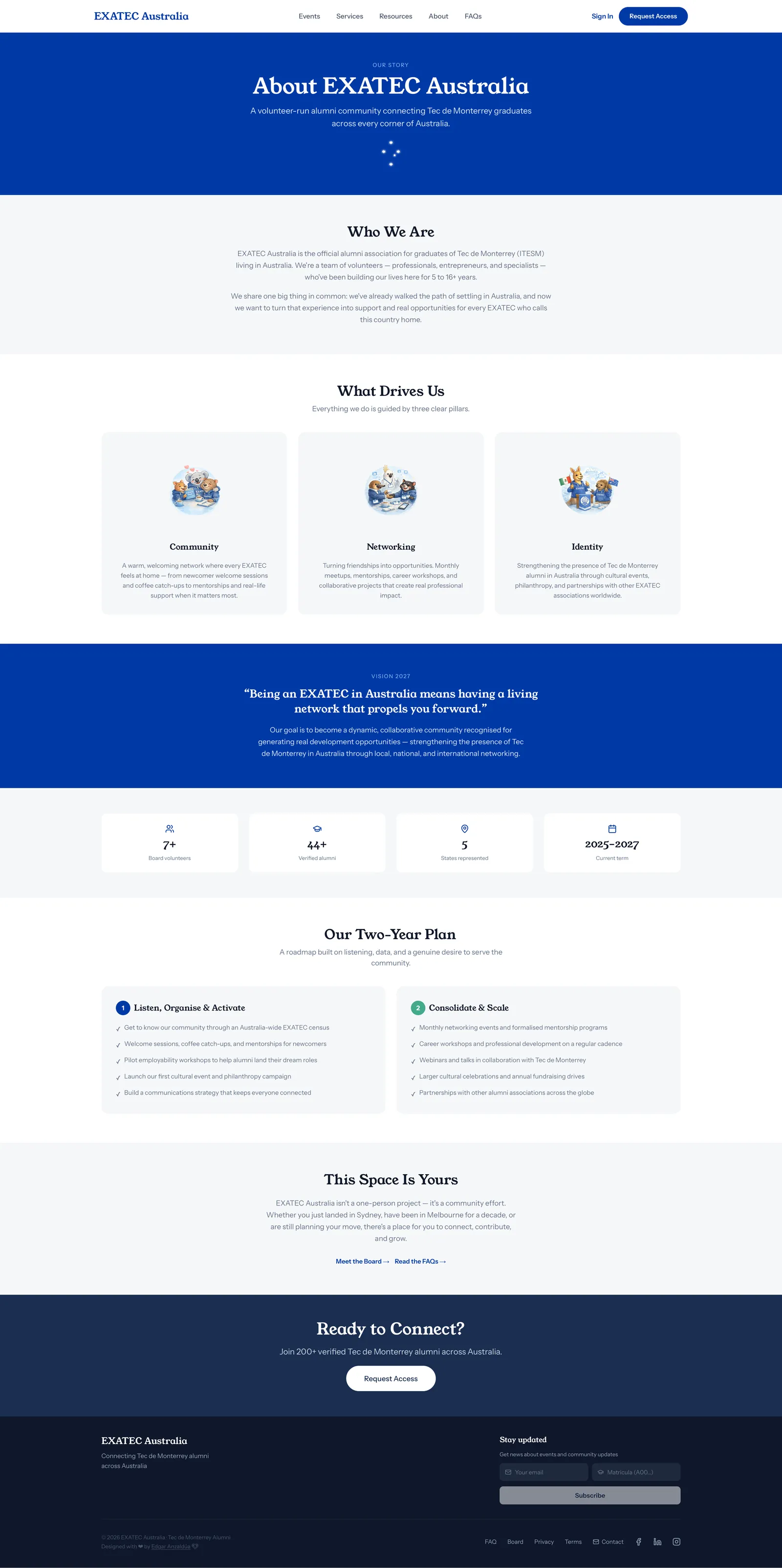
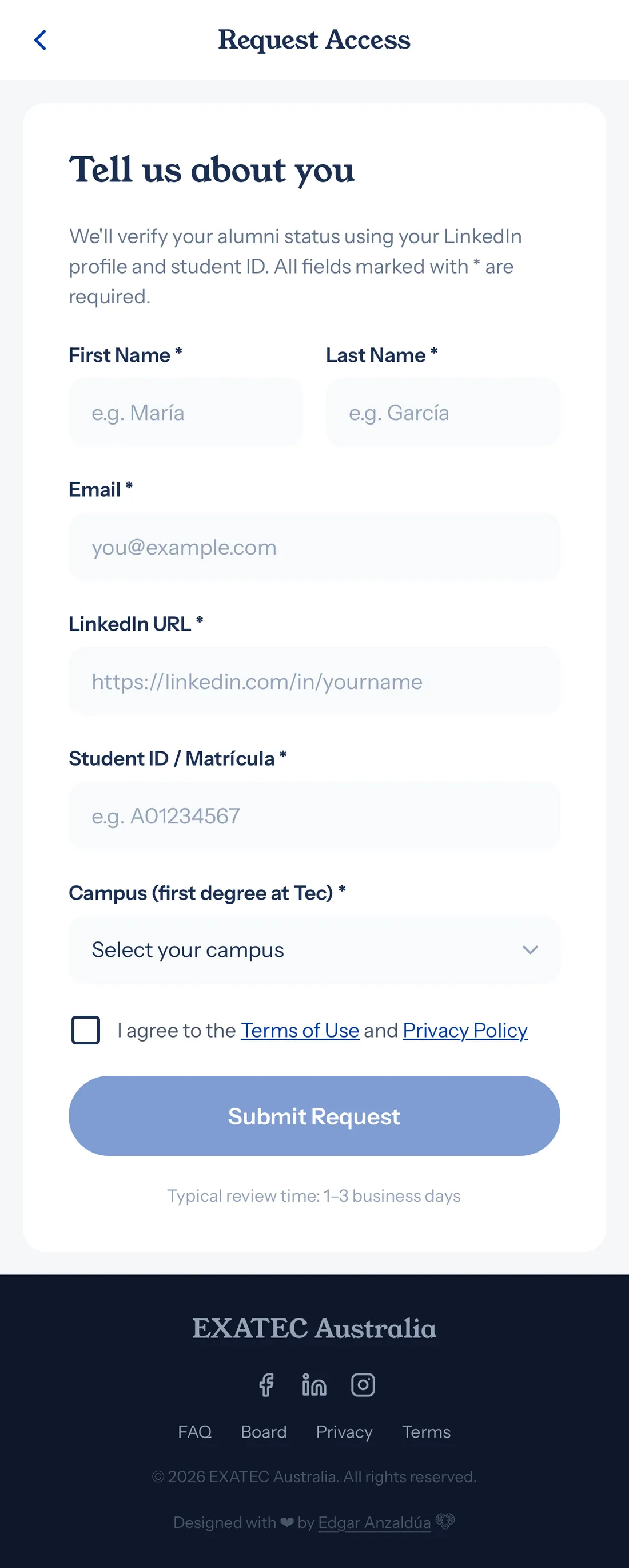
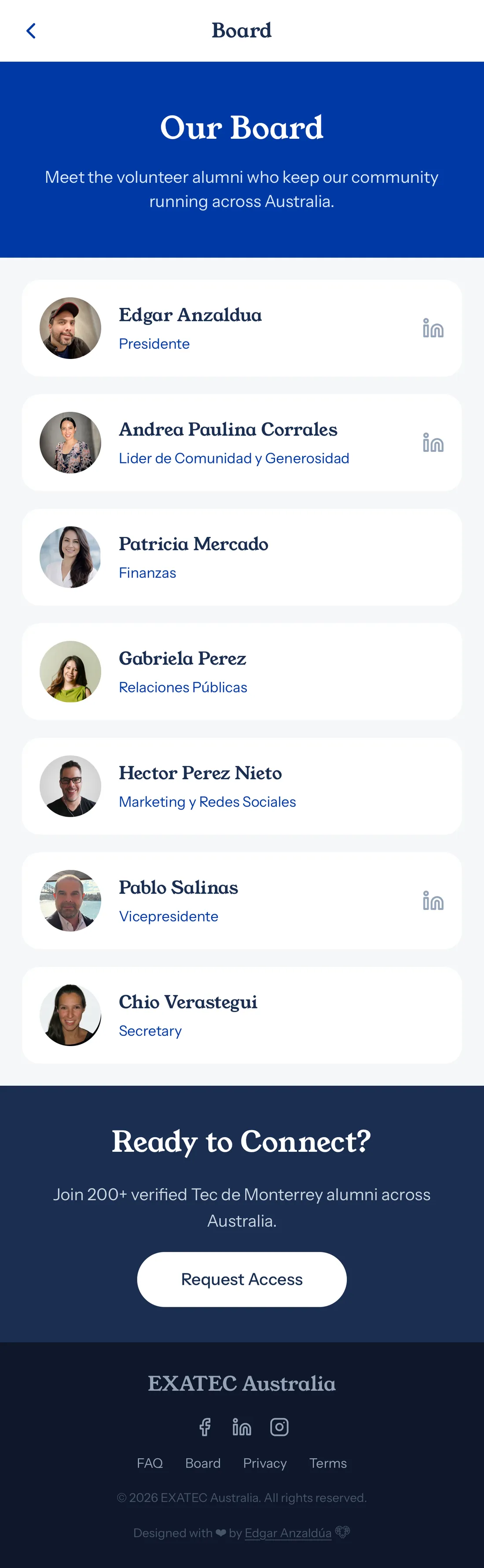
LiveThe platform for the Tec de Monterrey alumni community in Australia. 53 verified alumni, 6 states, 28 events.
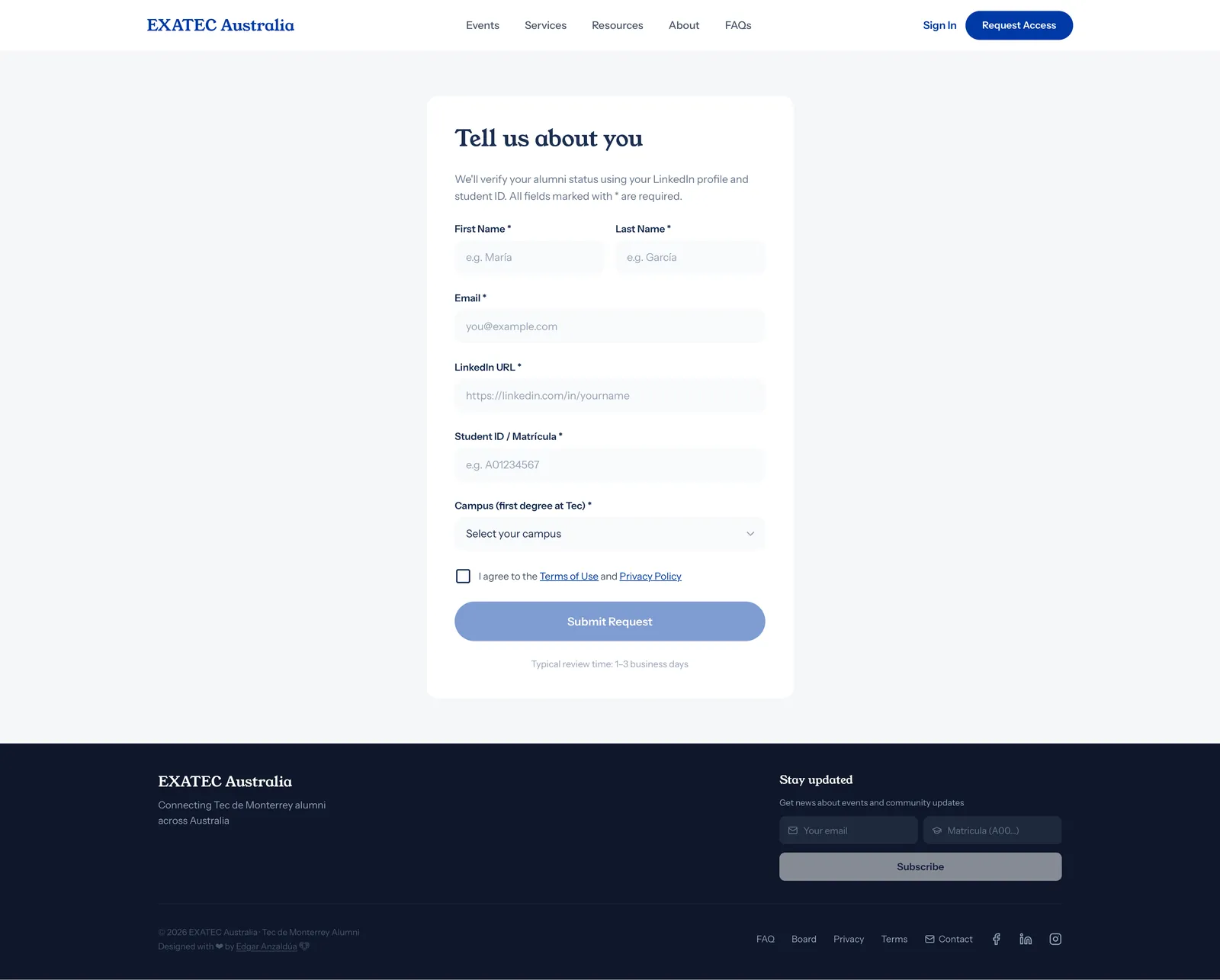
You get in with a LinkedIn profile and a student ID, and a volunteer decides. The directory, the events and the documents are all behind that.



Punk rock, and a store to match

Los Mariachis Muertos
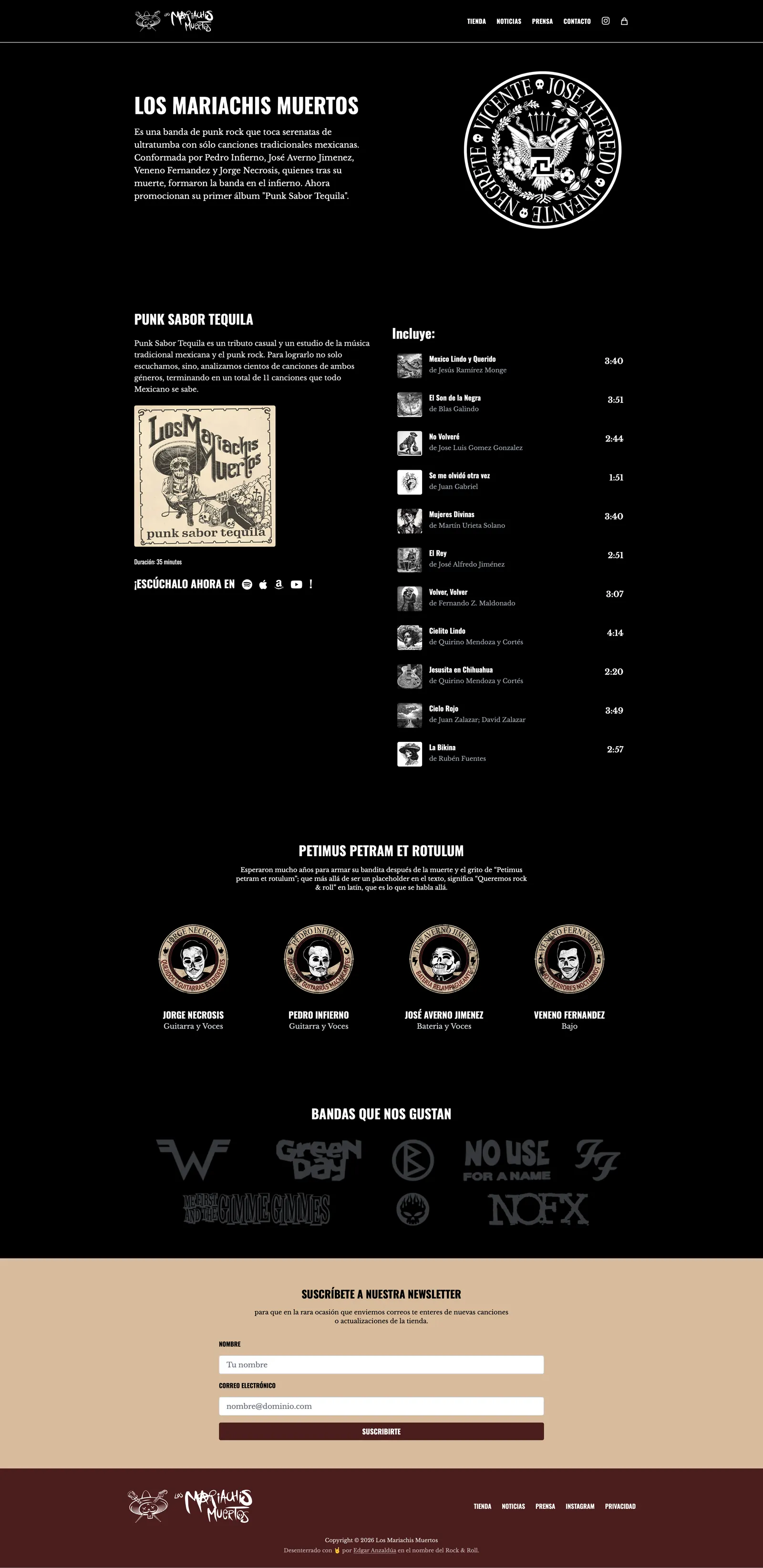
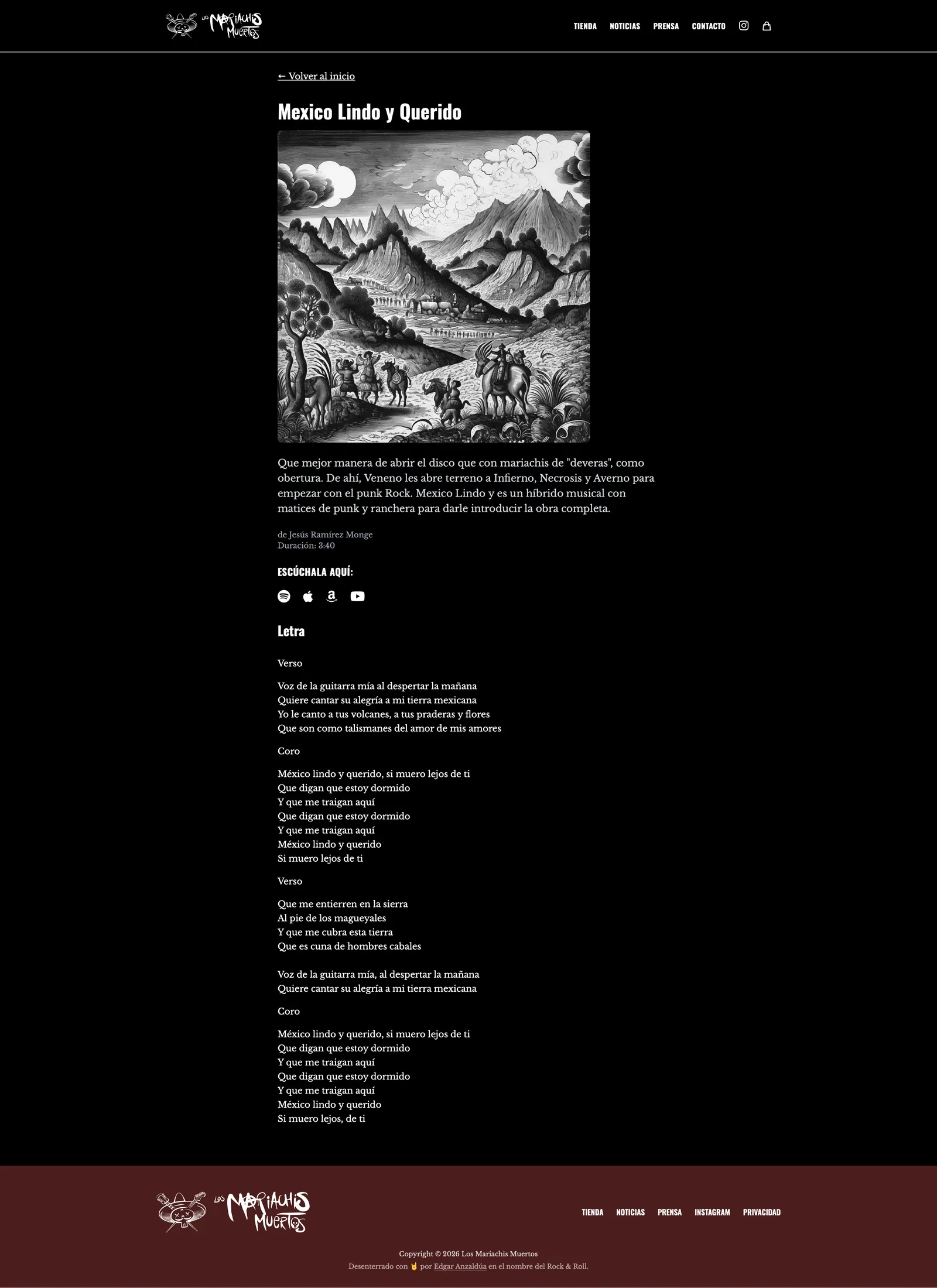
LiveA punk rock band playing classic Mexican songs. The album is on Spotify and Apple Music.
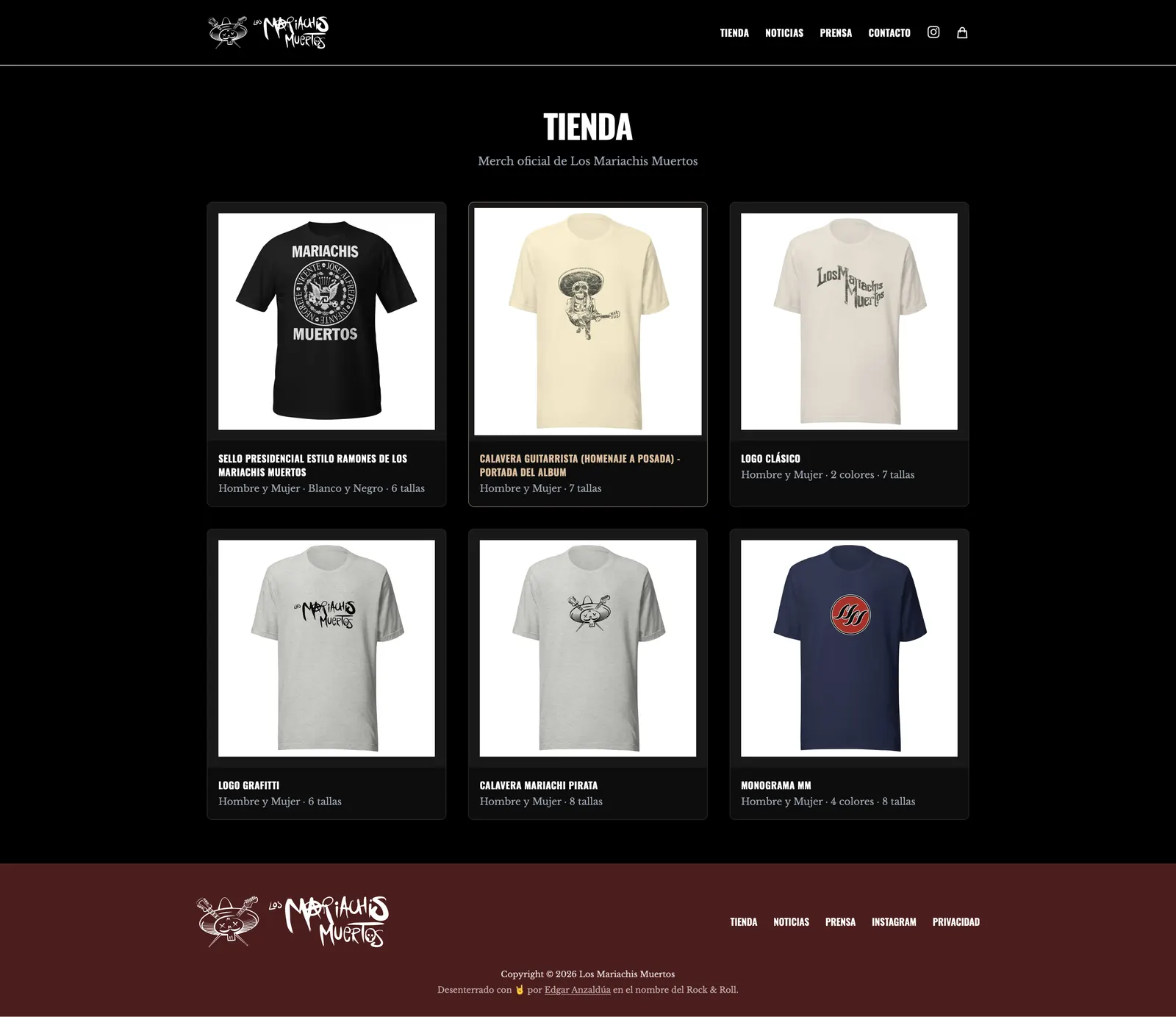
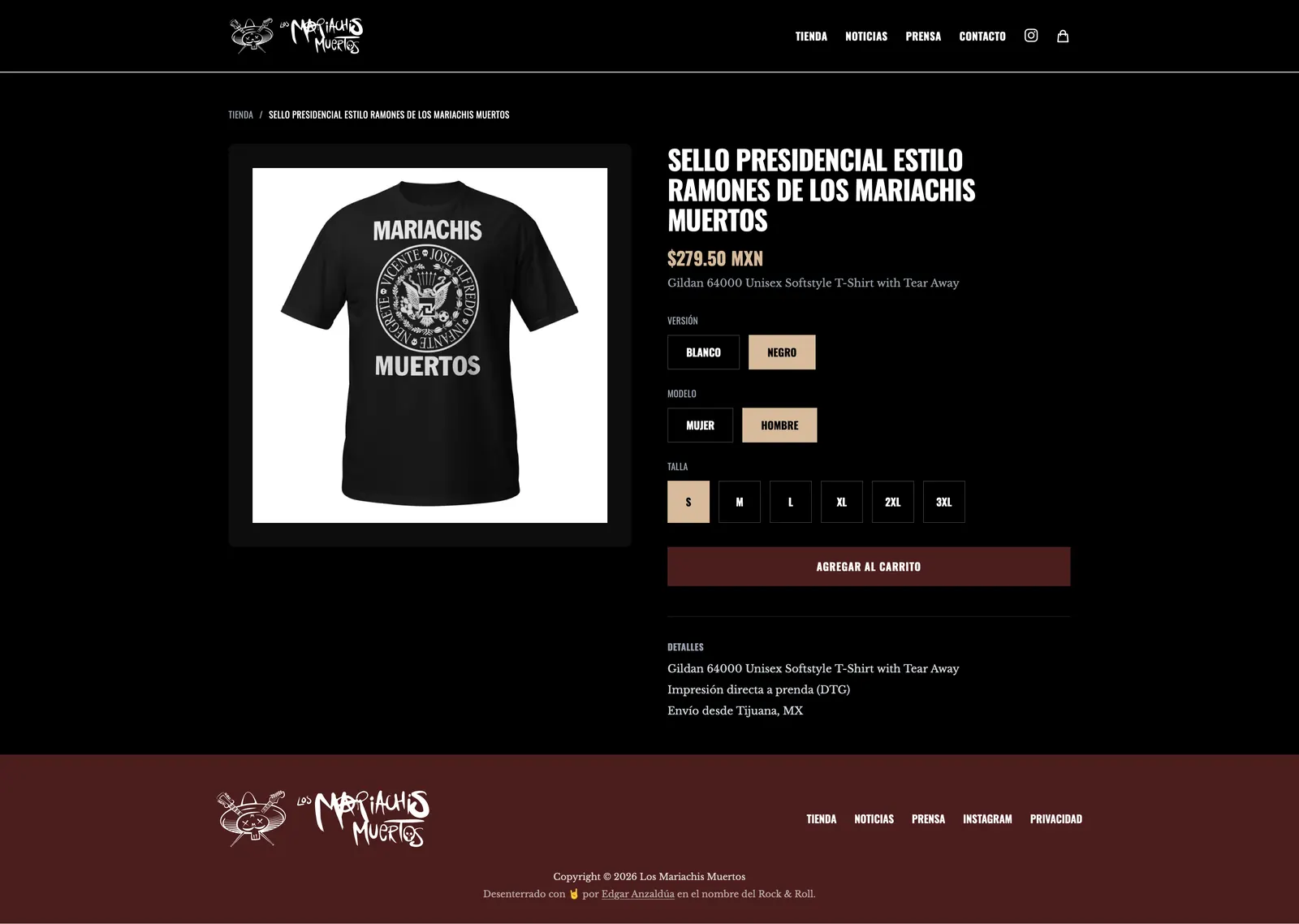
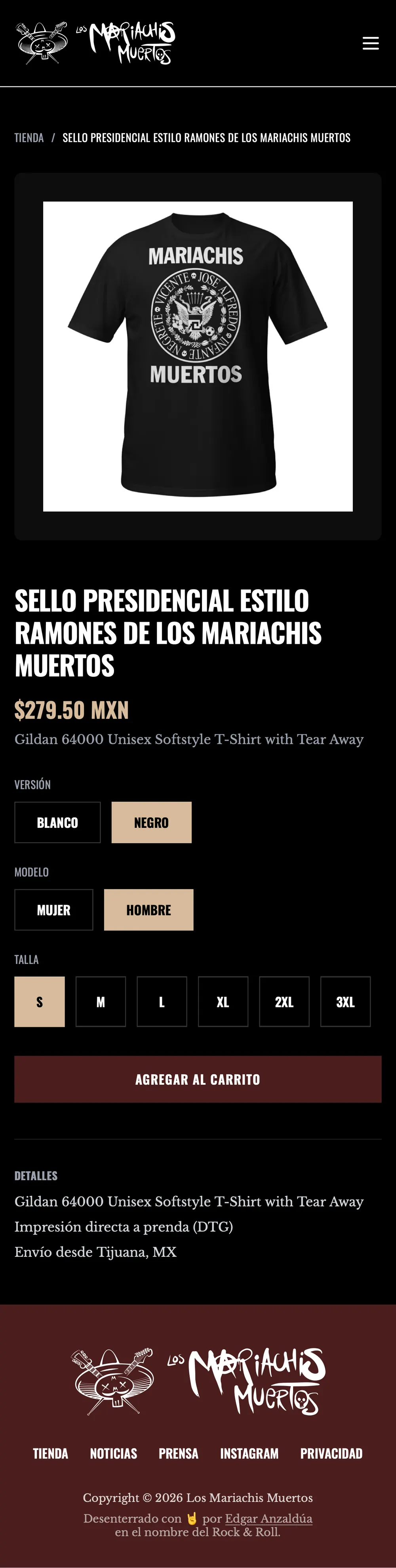
The store is wired straight through to print-on-demand, with payments in front of it. A band that needed a shop and got one.



Where a product keeps its memory

Produxly
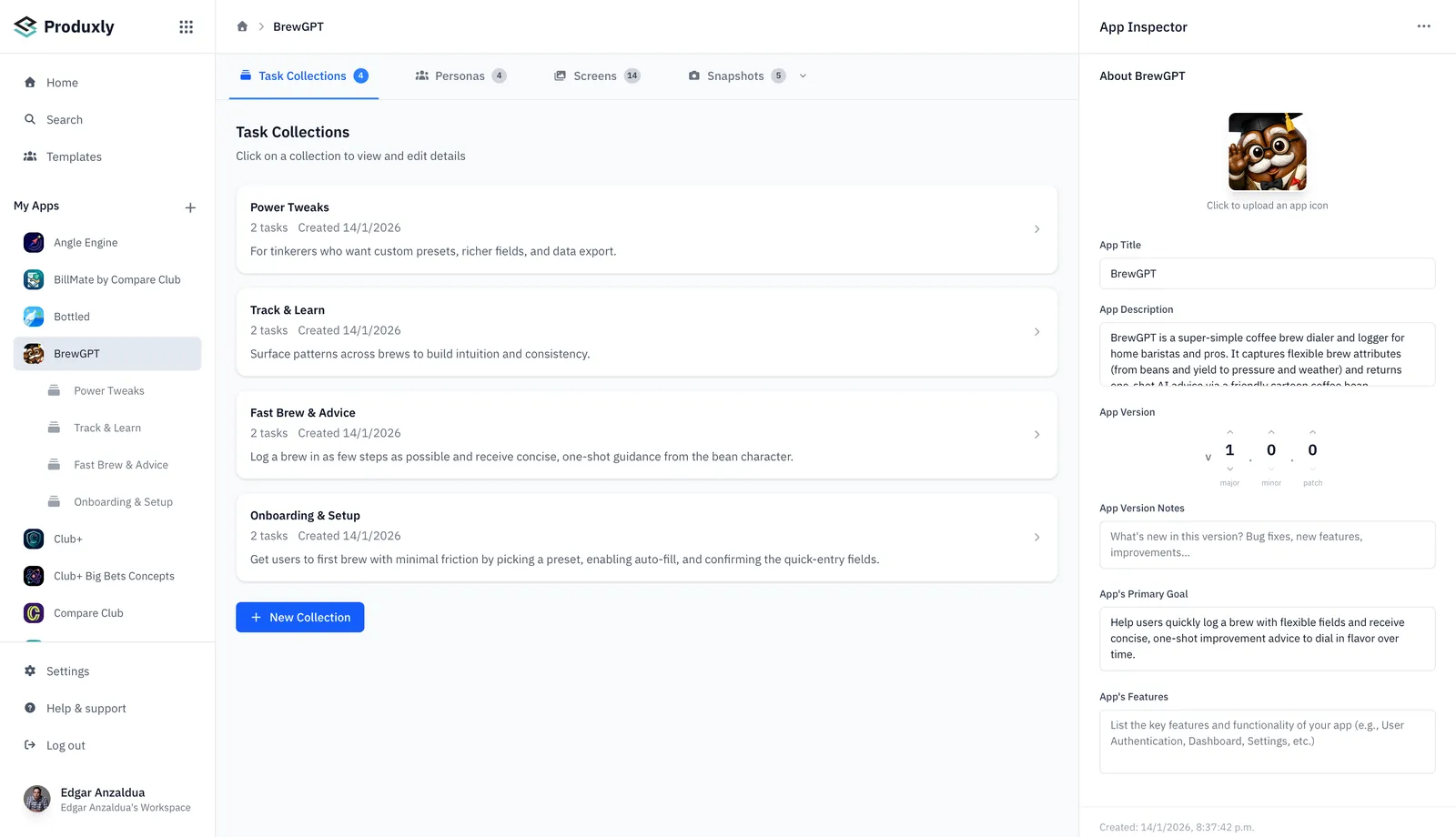
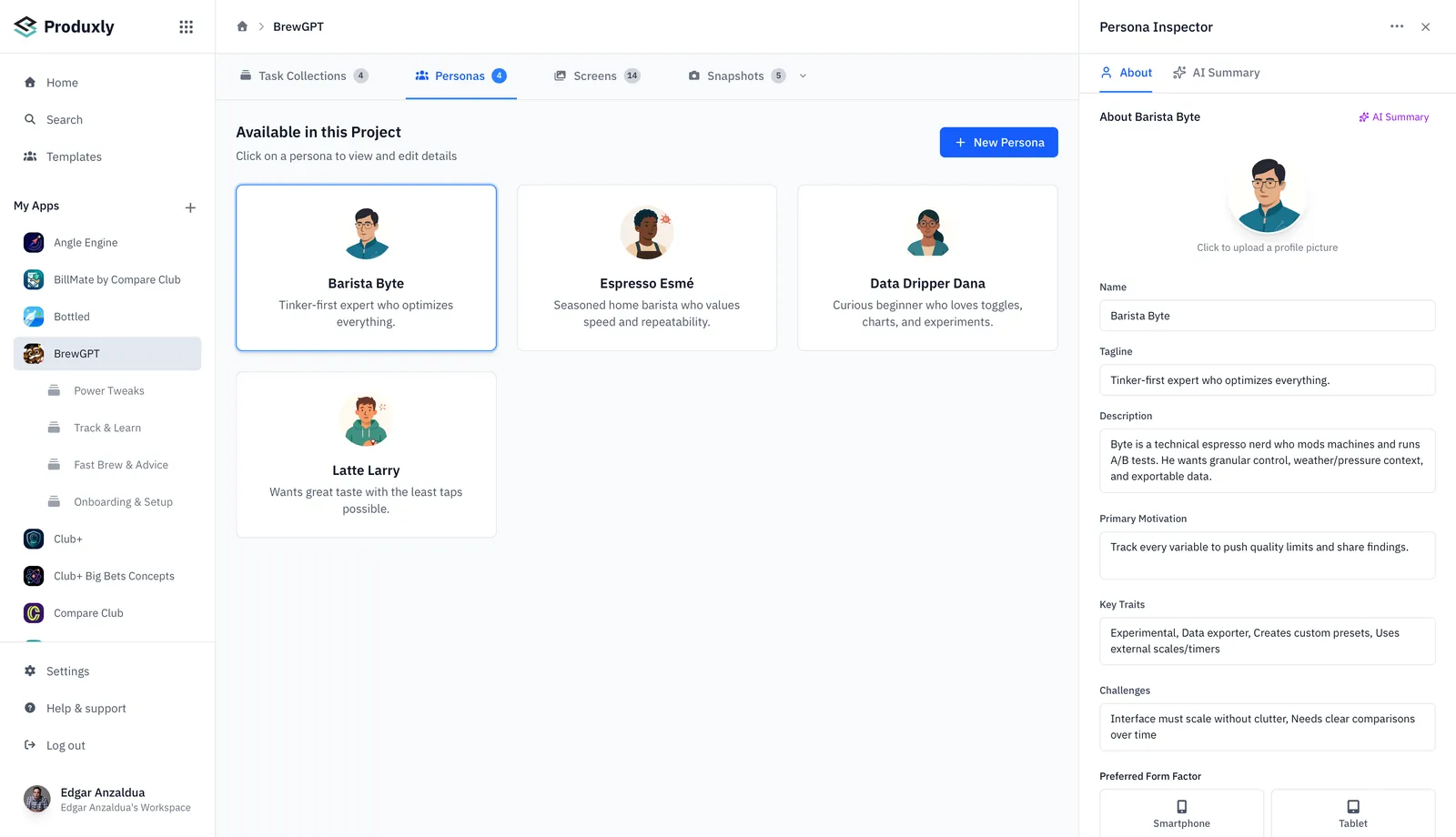
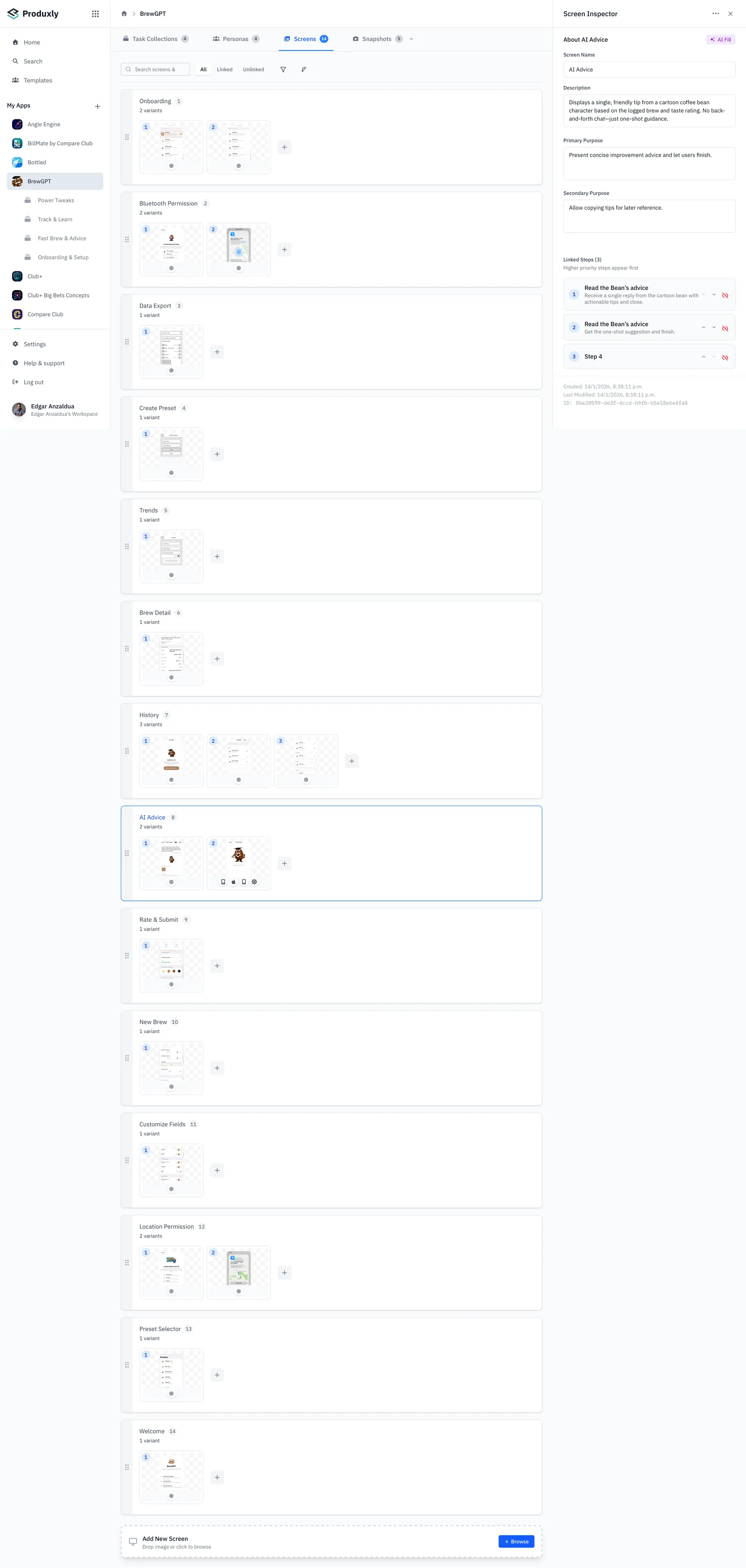
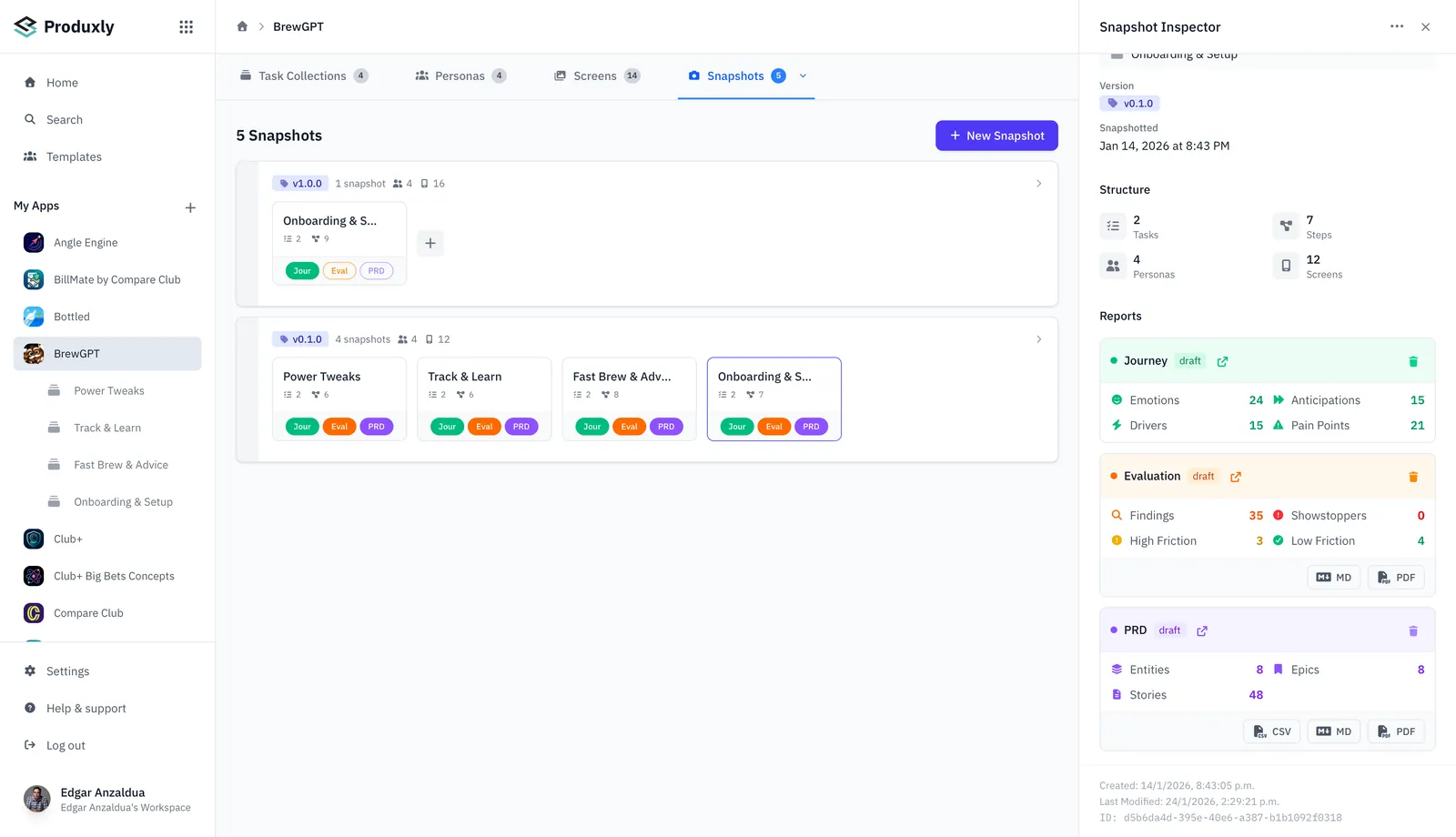
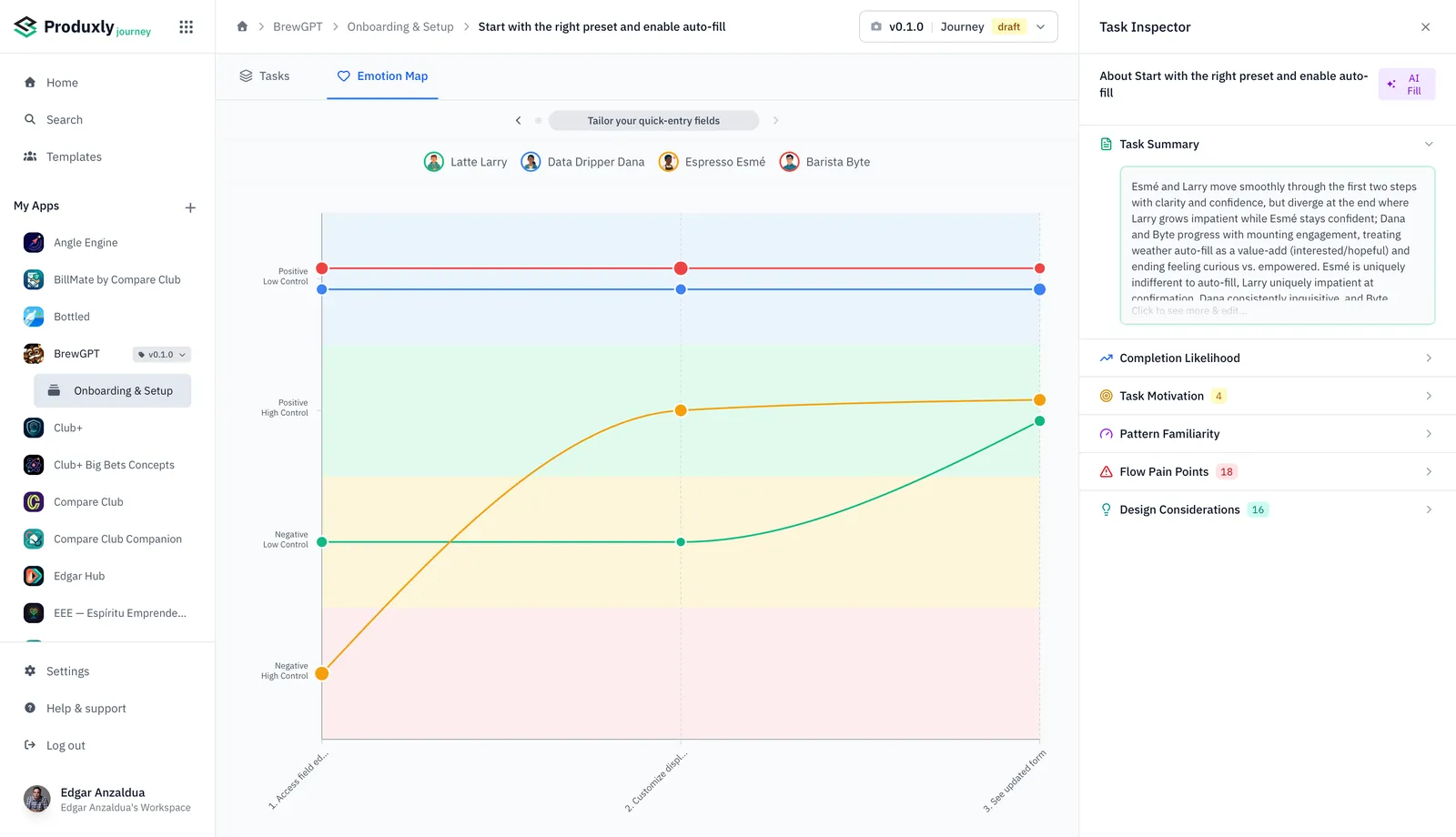
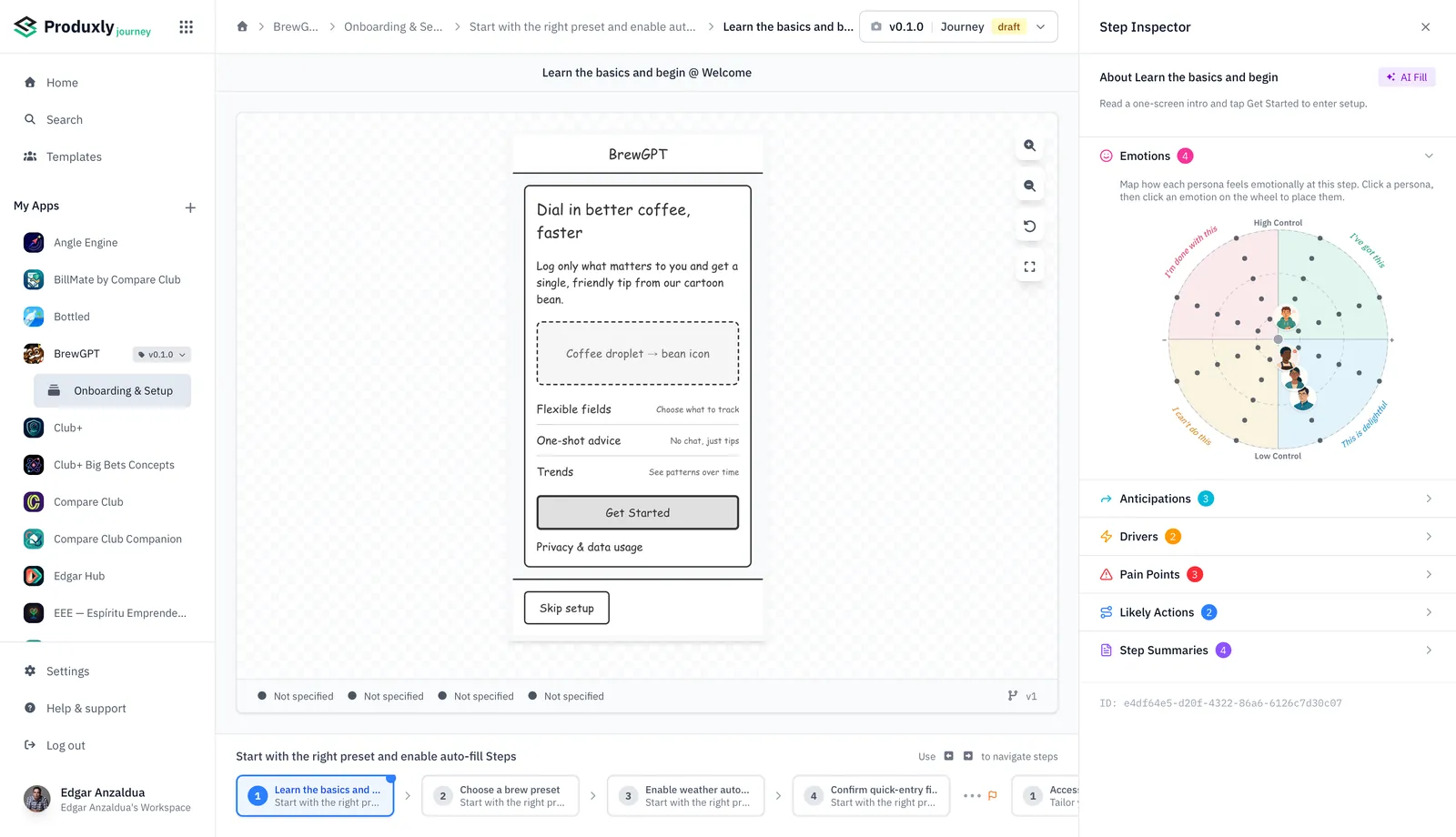
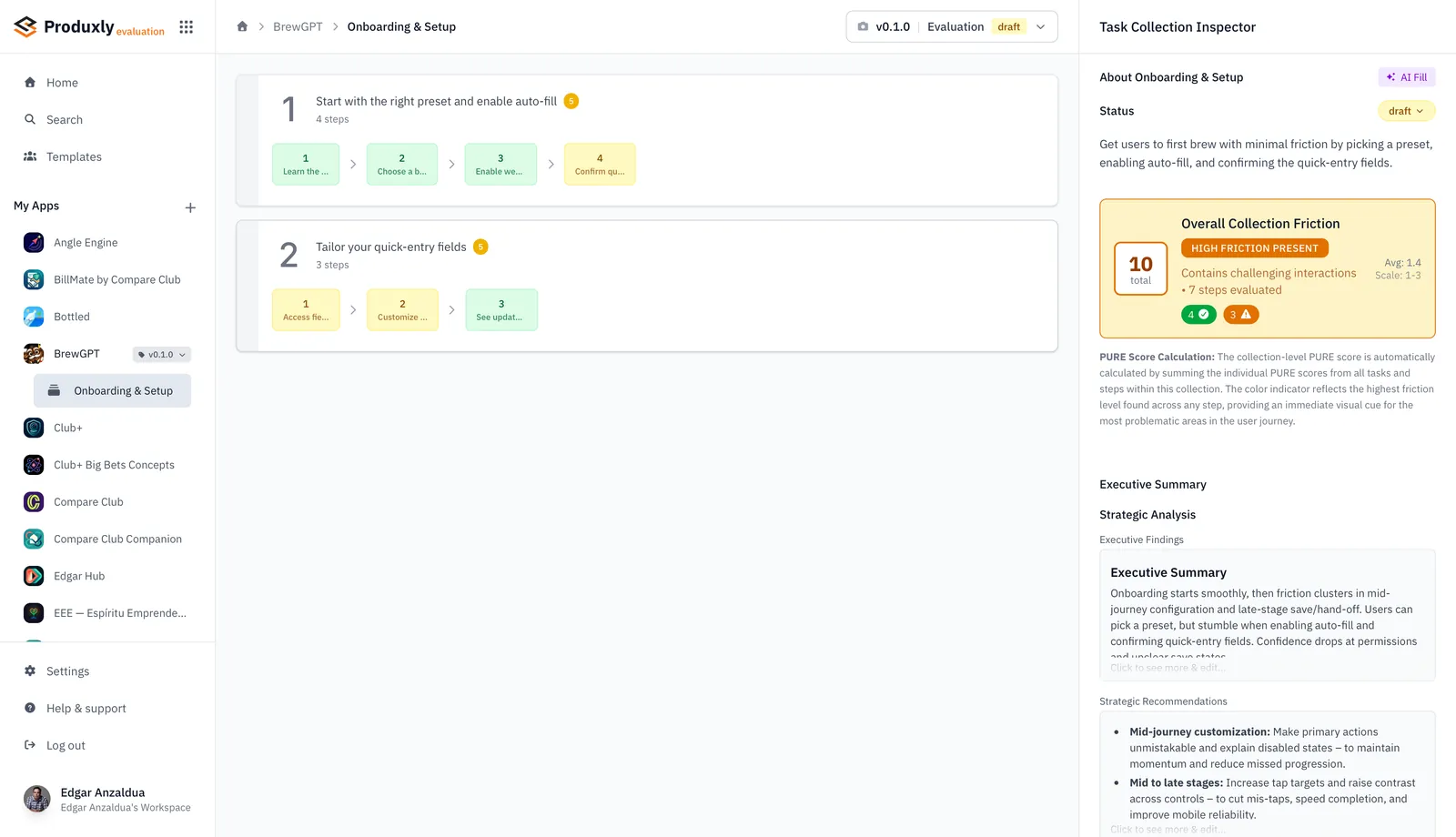
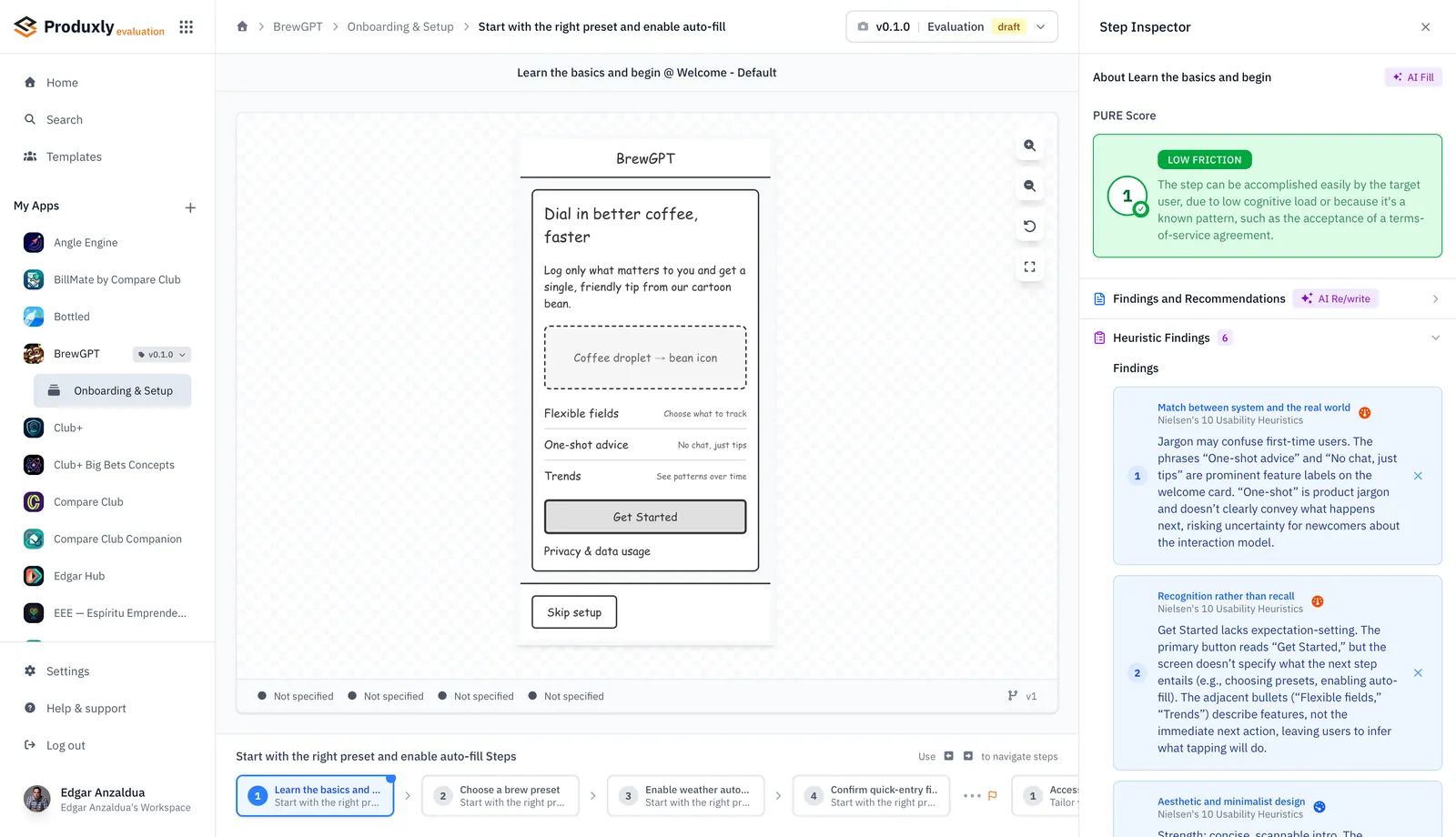
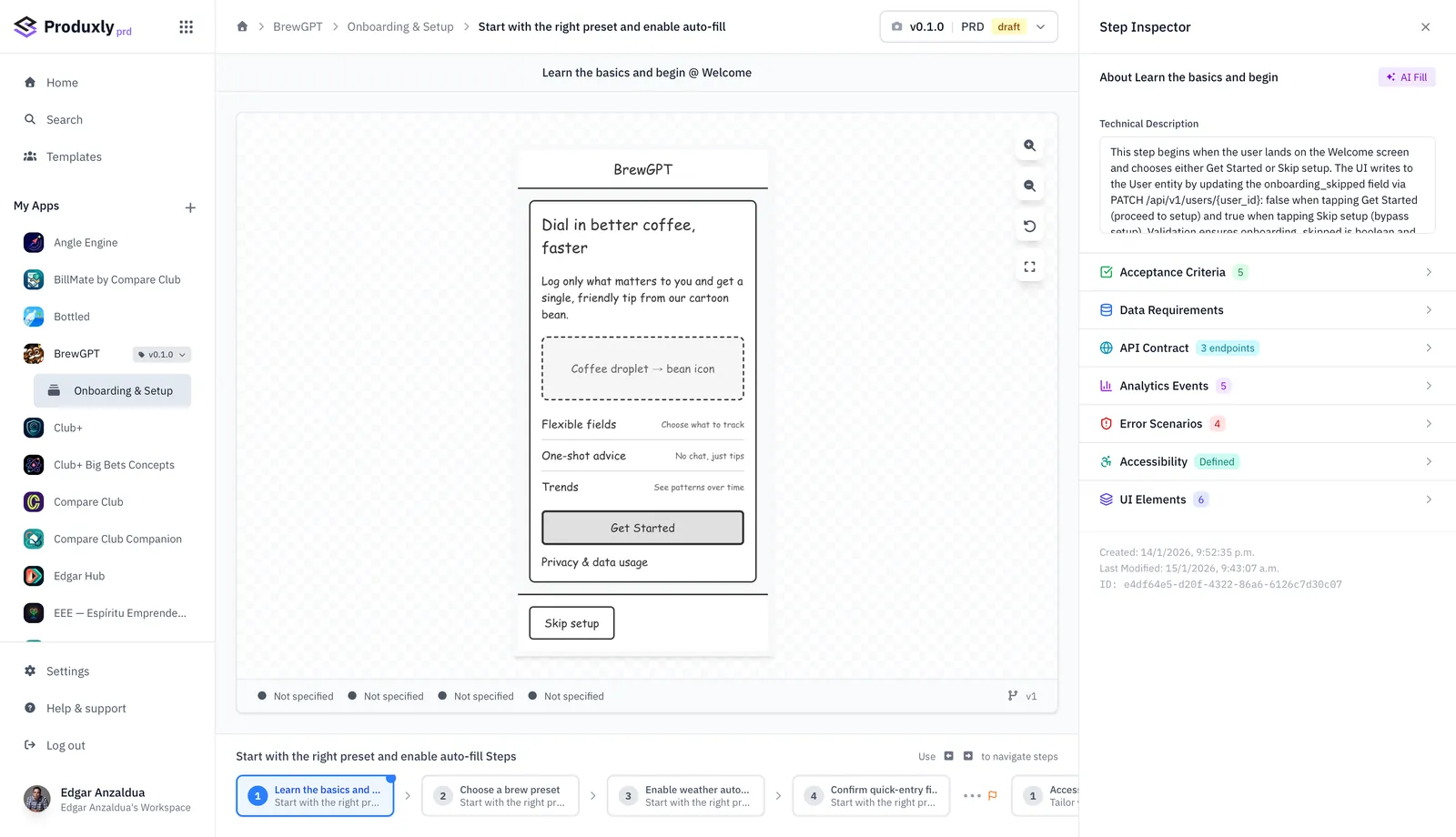
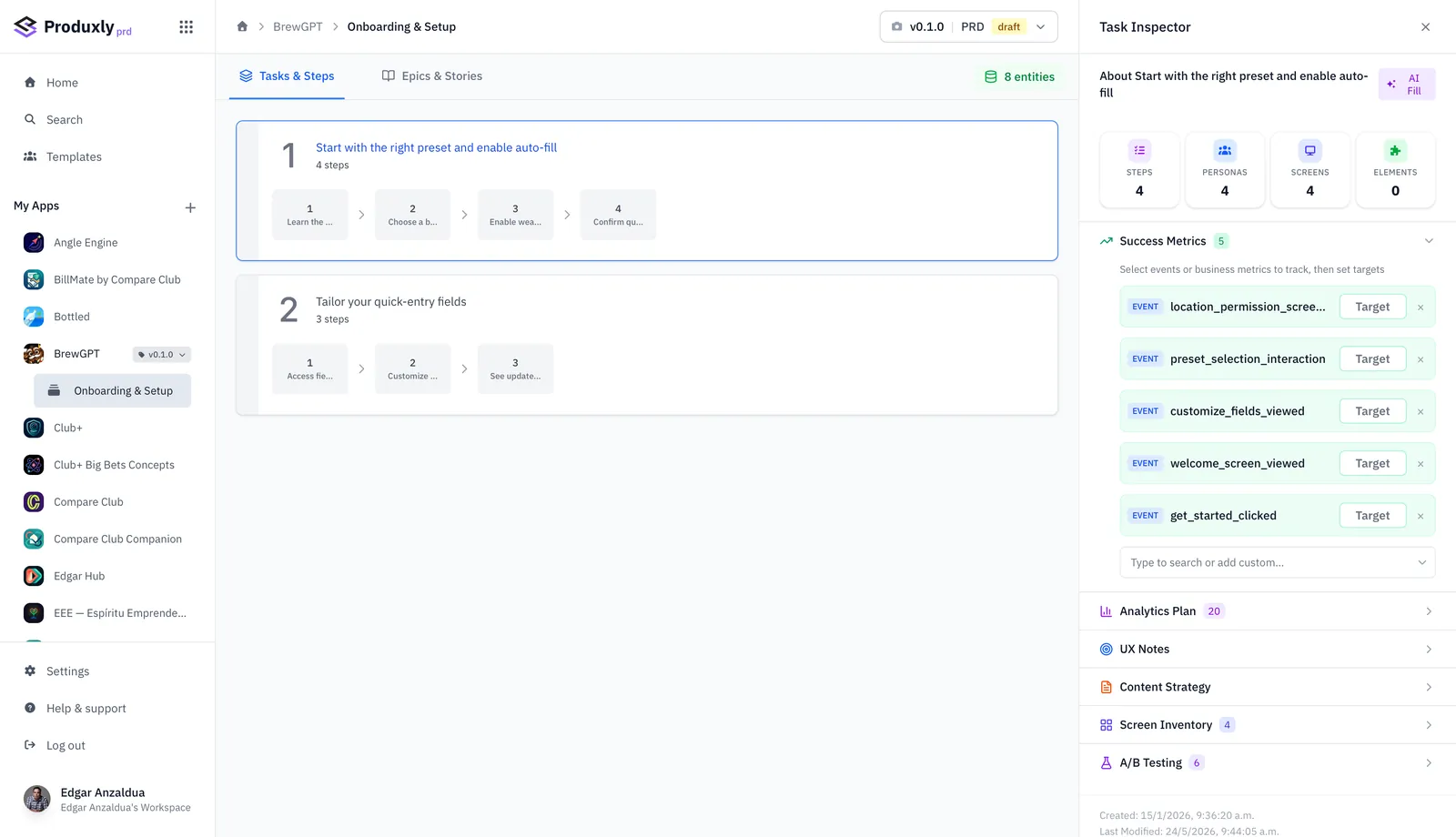
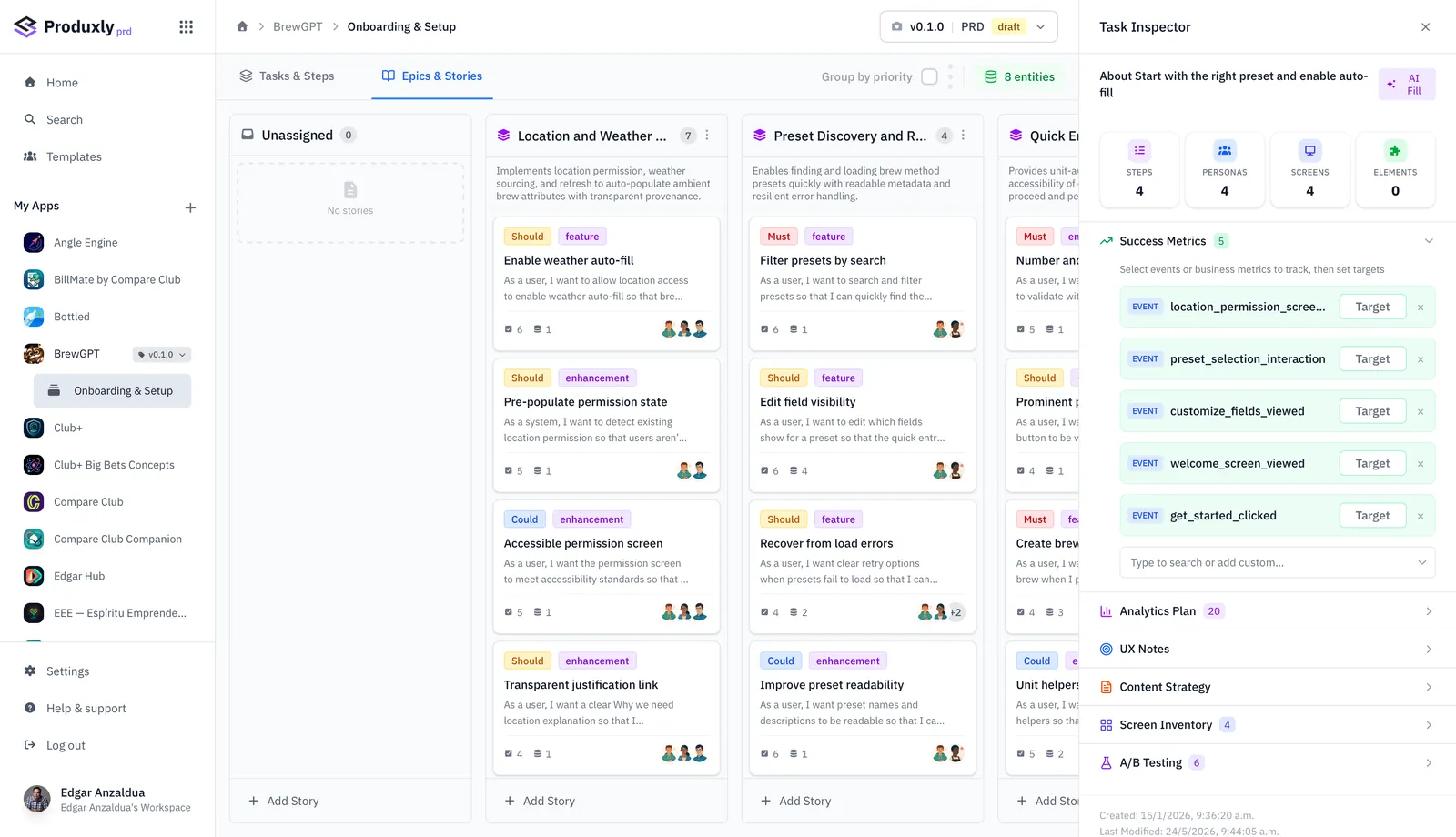
PrivateIt holds a product's memory in one place. The screens, the personas it is for, the task collections that say how it is used, and a snapshot every time it changes.
Then it reads that material back three ways. A journey with the emotion curve, a heuristic evaluation with a friction score, and a PRD with acceptance criteria and analytics events, every one of them pinned to the screens it was written about.
The one thing on this page you cannot open.